


Cyprus#100
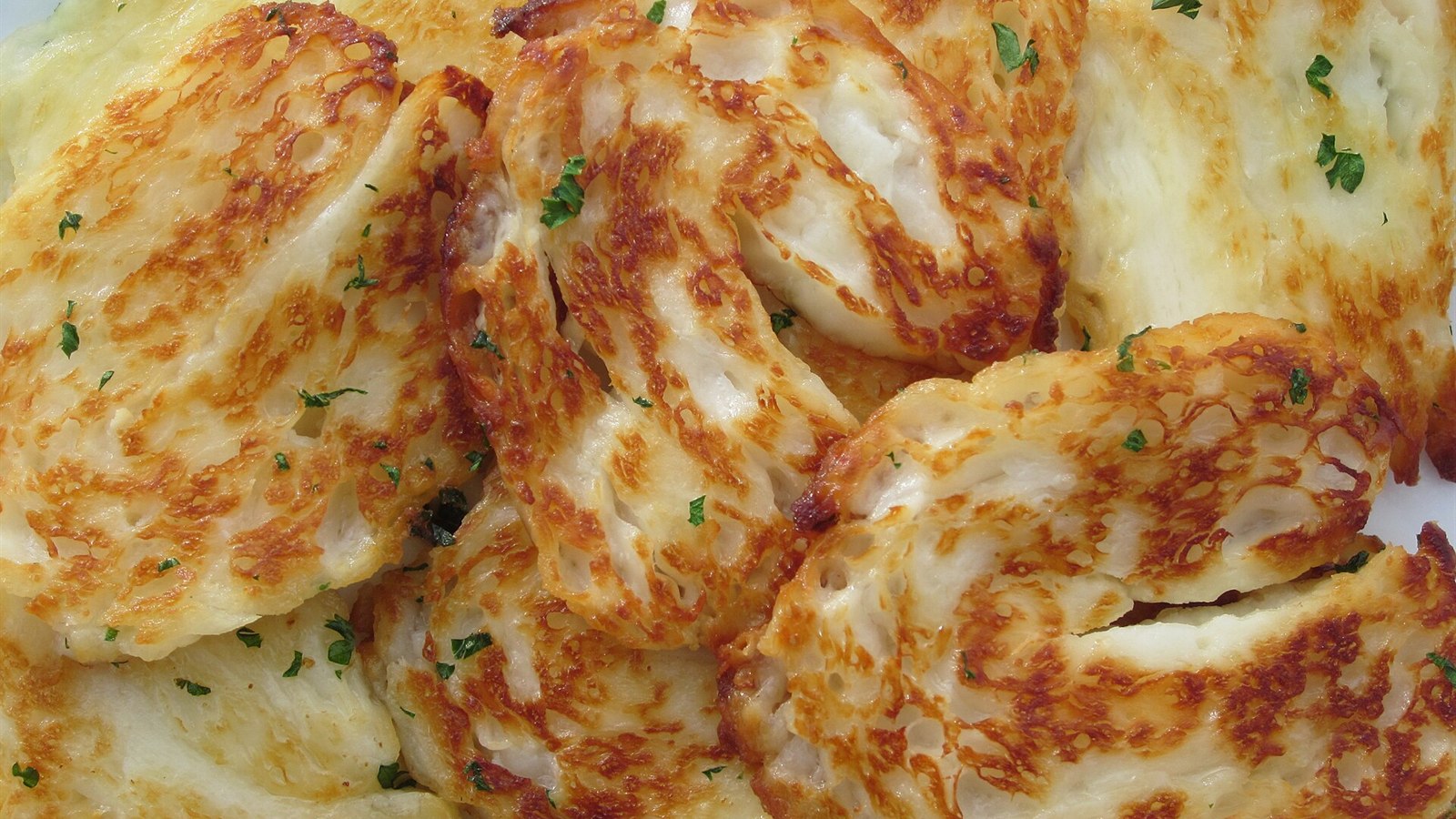
Dry-Seared Halloumi with Mint & Lemon
Cypriot halloumi is cooked in whey during cheesemaking, giving it a remarkably high melting point that chars cleanly without collapsing.
+640% Polish Fermented Beetroot Borscht (Zakwas)·Alchemist Seasonal Prep Window
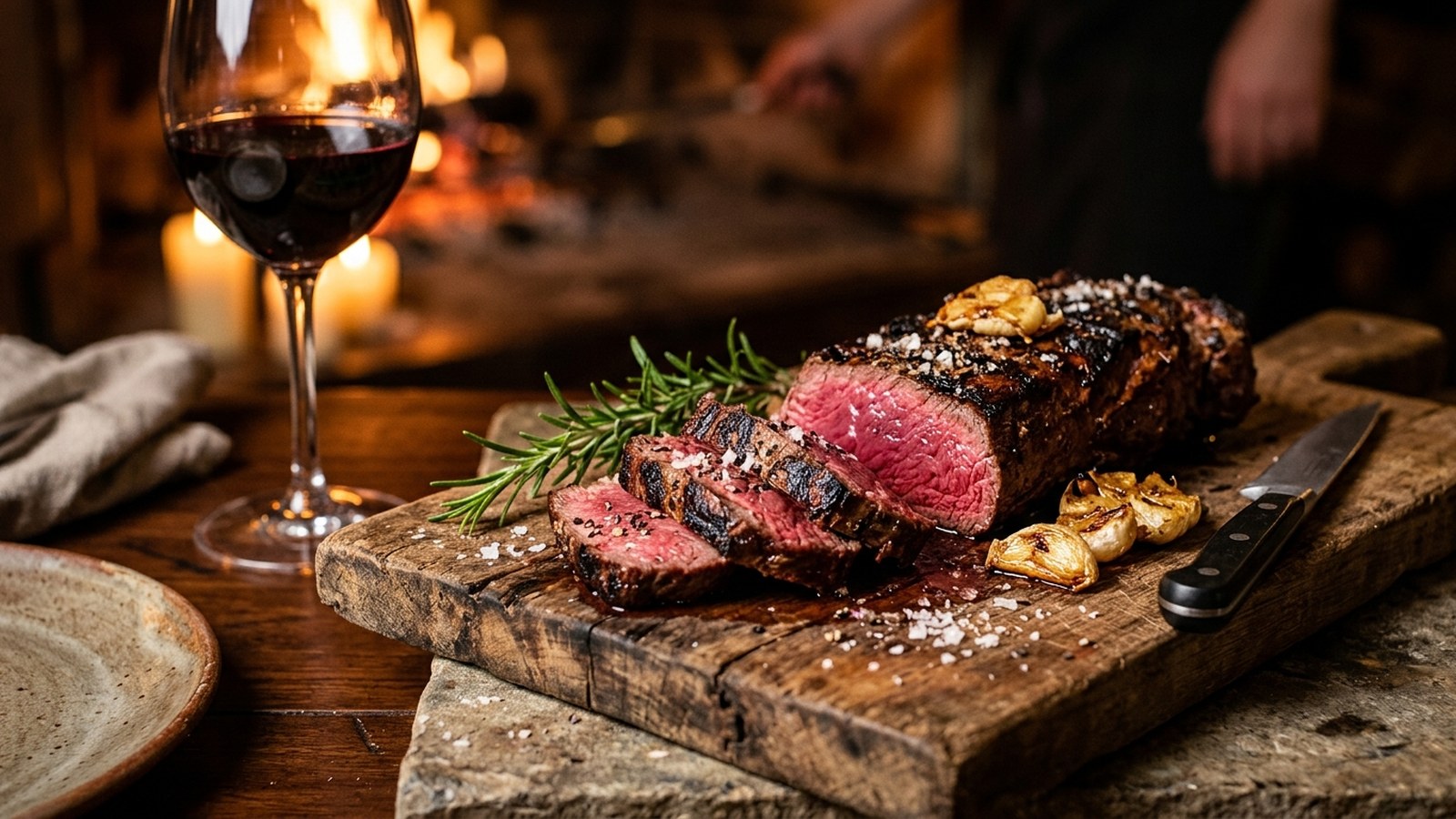
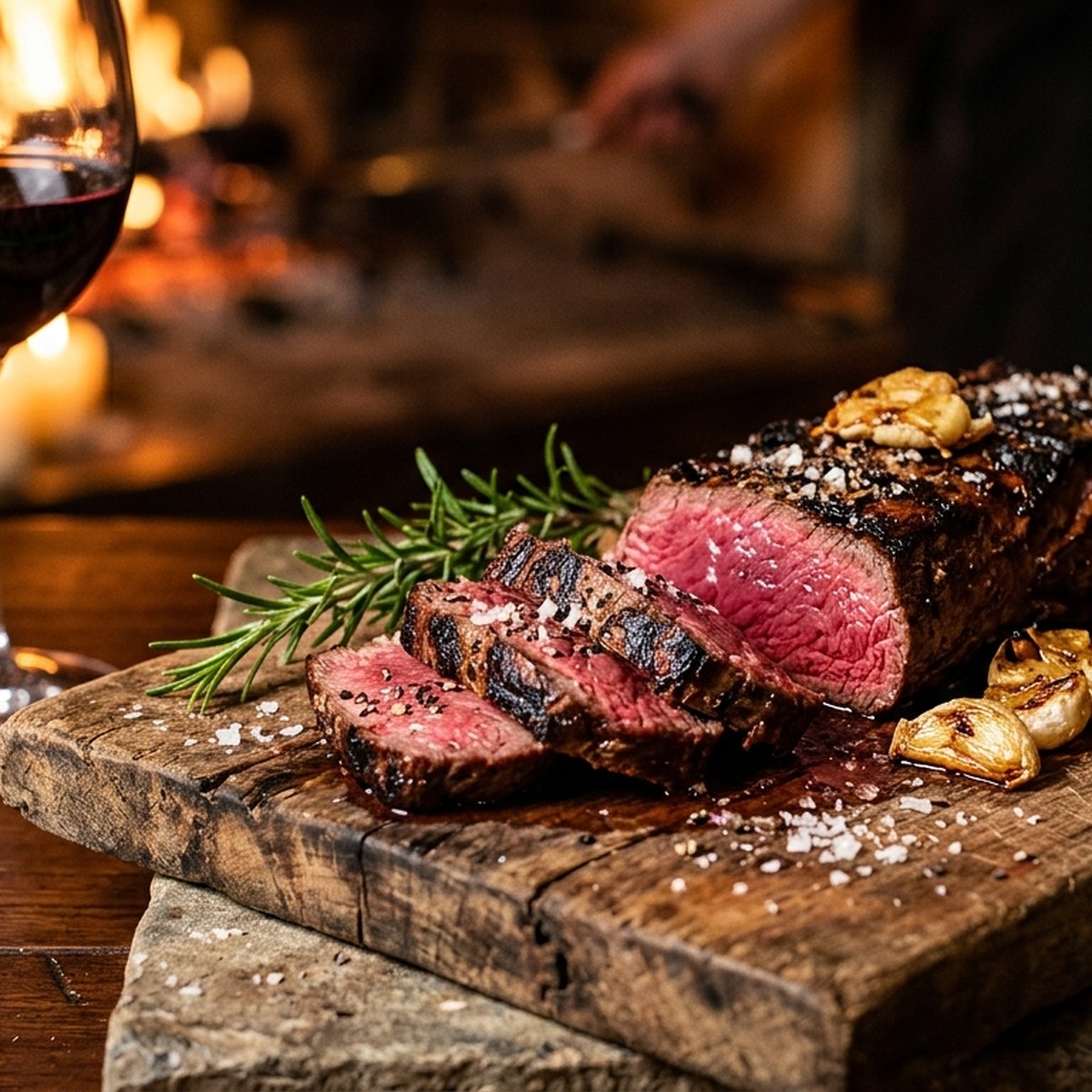
Adapted from Tomasz’s original 2010 Mendoza dispatch: free-range Pampas beef seared pure on iron parrilla grates alongside high-altitude Malbec from Luján de Cuyo.
2–12 h • Slow ritual & deep broth
Filter by continent or select a culinary origin pin on the archival map.
Cypriot halloumi is cooked in whey during cheesemaking, giving it a remarkably high melting point that chars cleanly without collapsing.
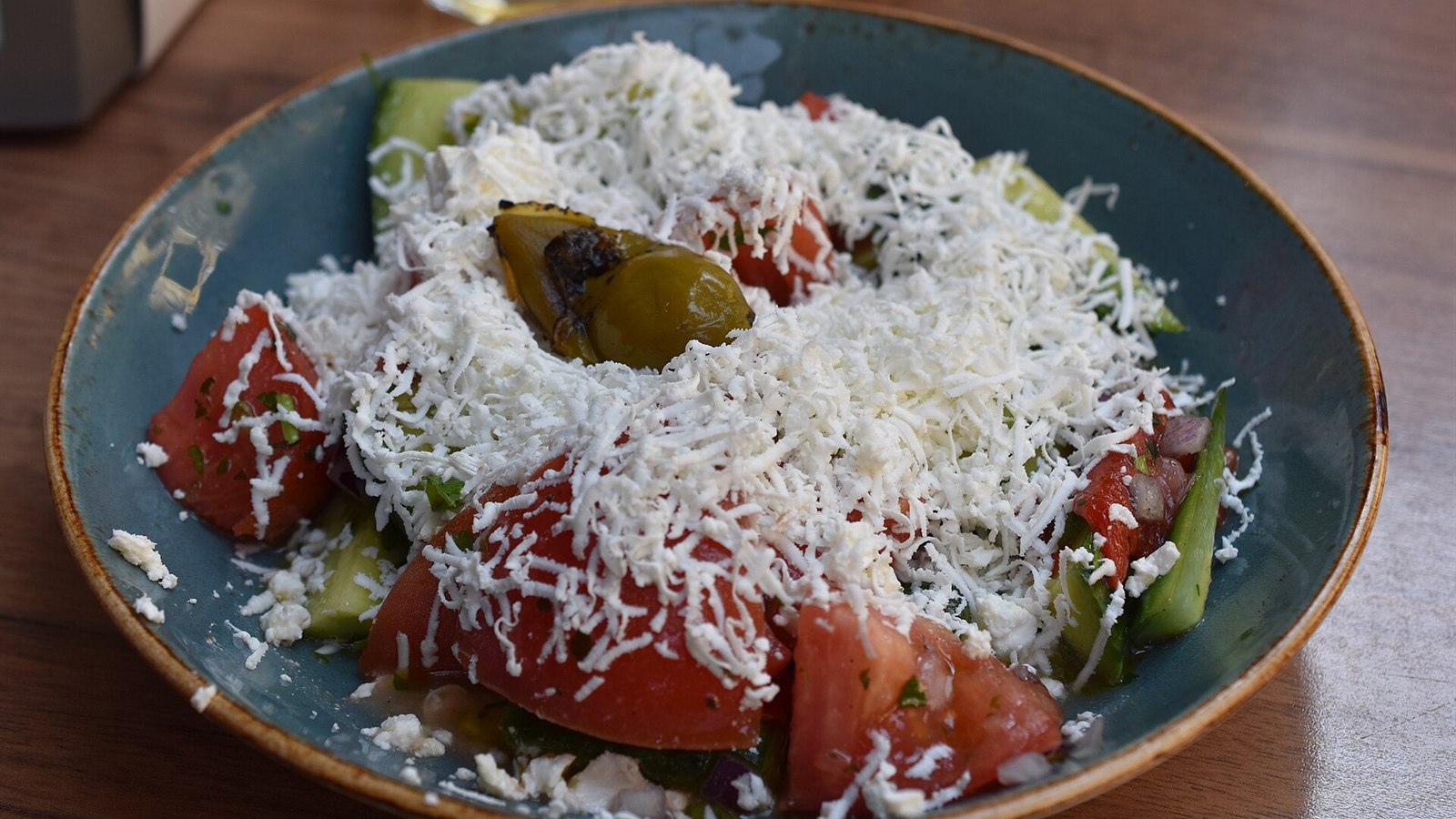
Designed in 1955 to mirror the Bulgarian tricolor (white sirene, green cucumber, red tomato & pepper), becoming an instant Balkan classic.
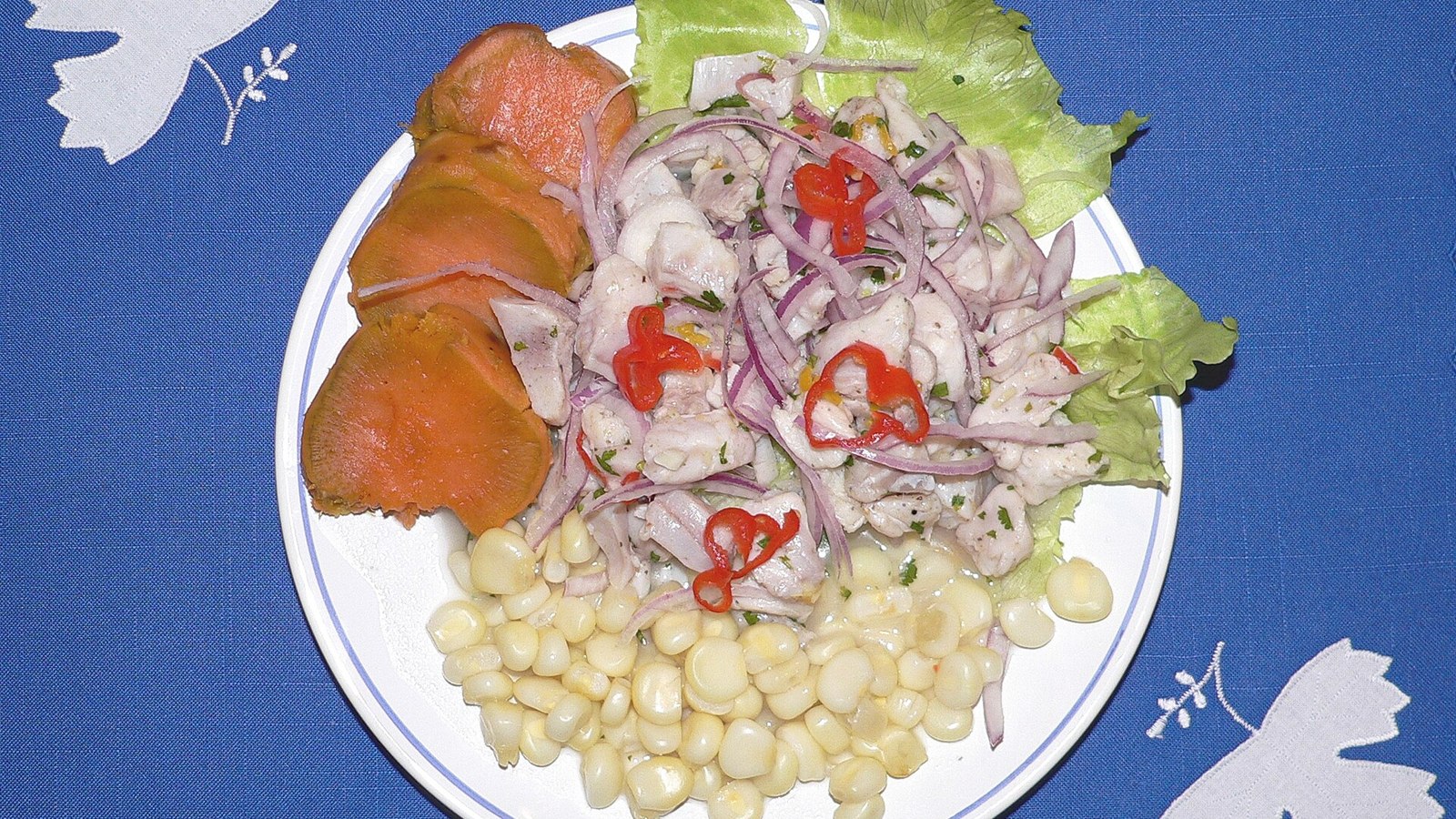
Peru’s national treasure refined by Nikkei chefs: ultra-fresh white fish bathed briefly in lime rather than over-cured for hours.
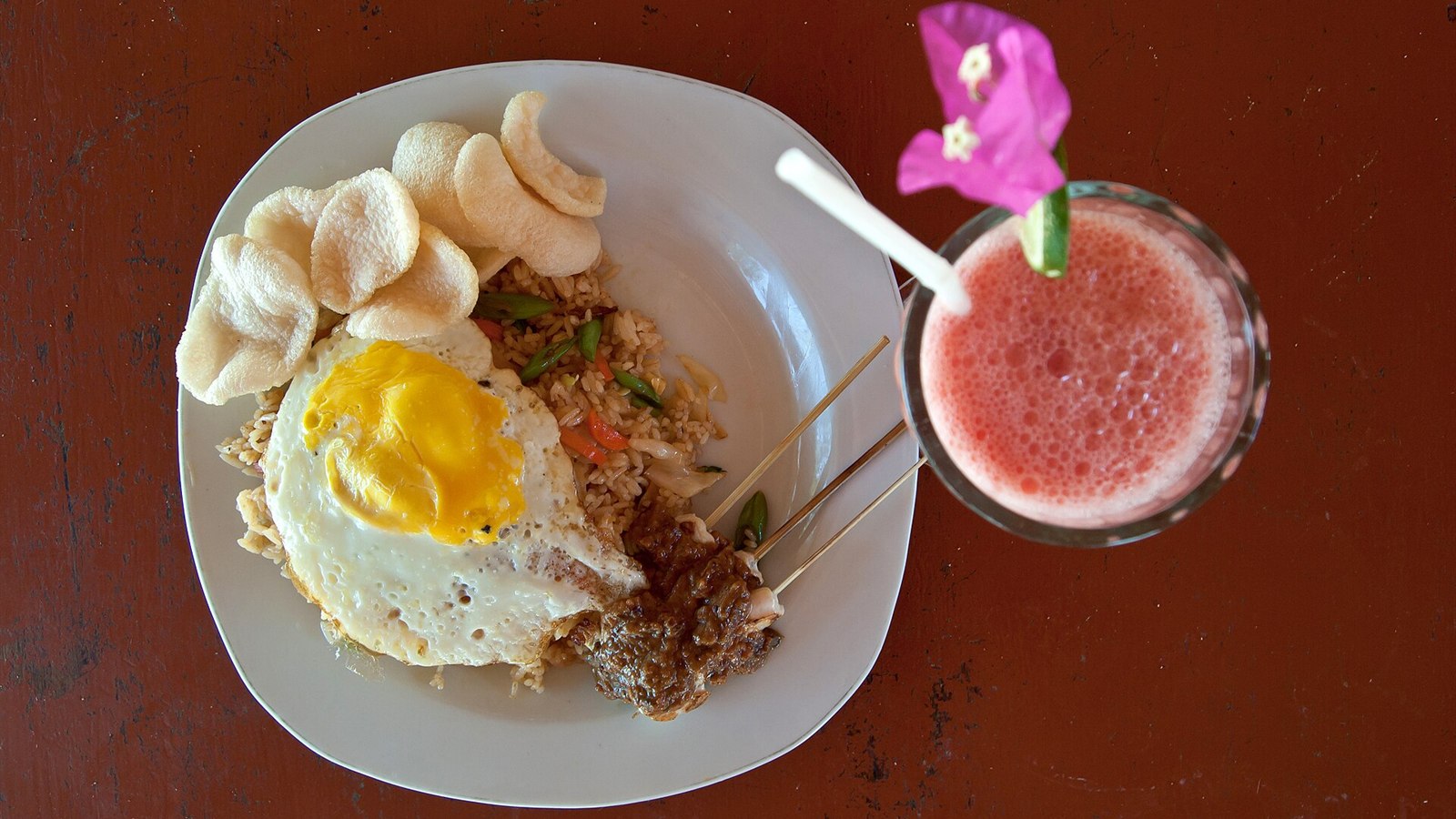
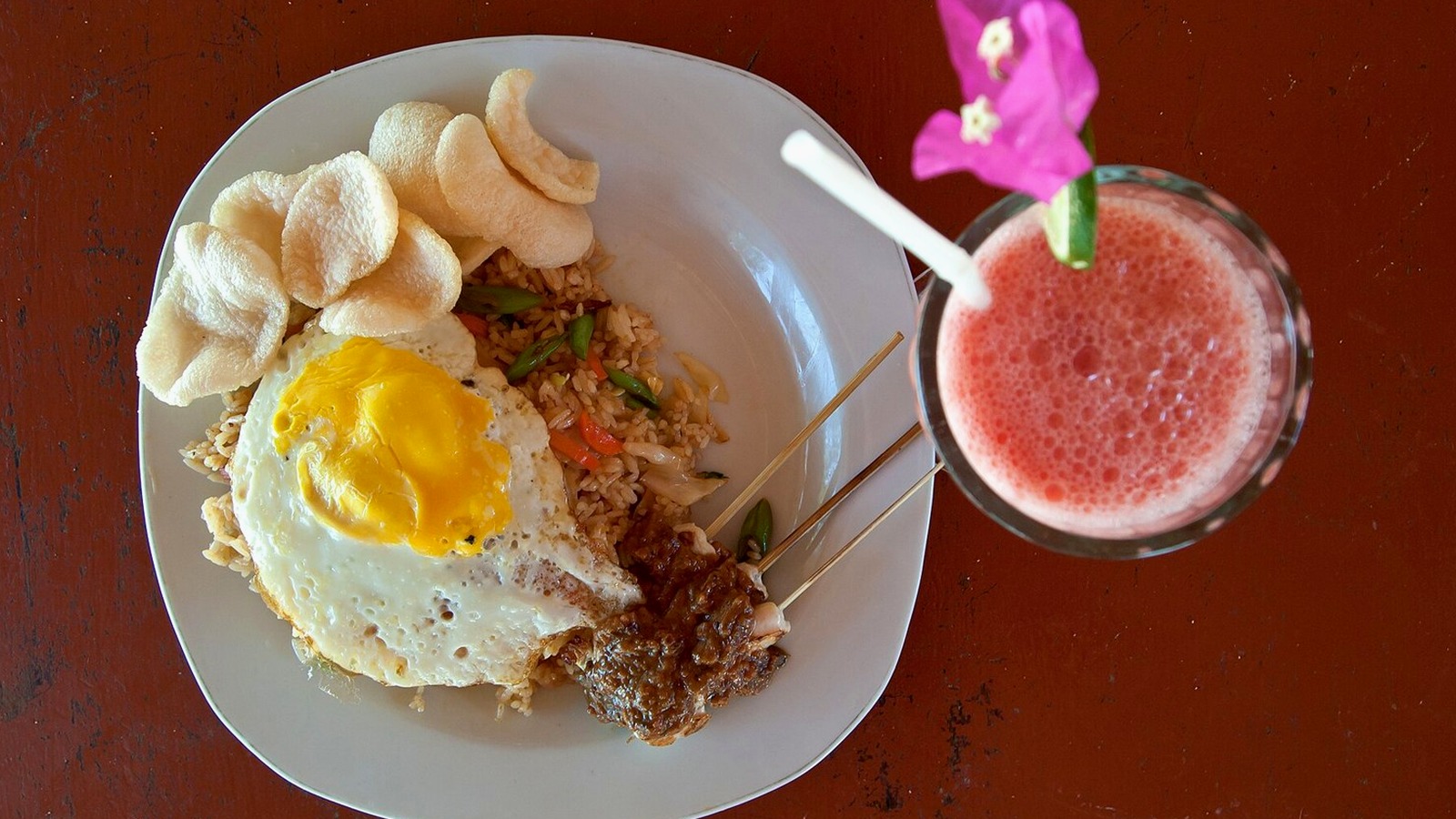
Indonesia’s beloved national dish anchored by thick palm-sugar soy (kecap manis) that blisters onto dry rice grains.
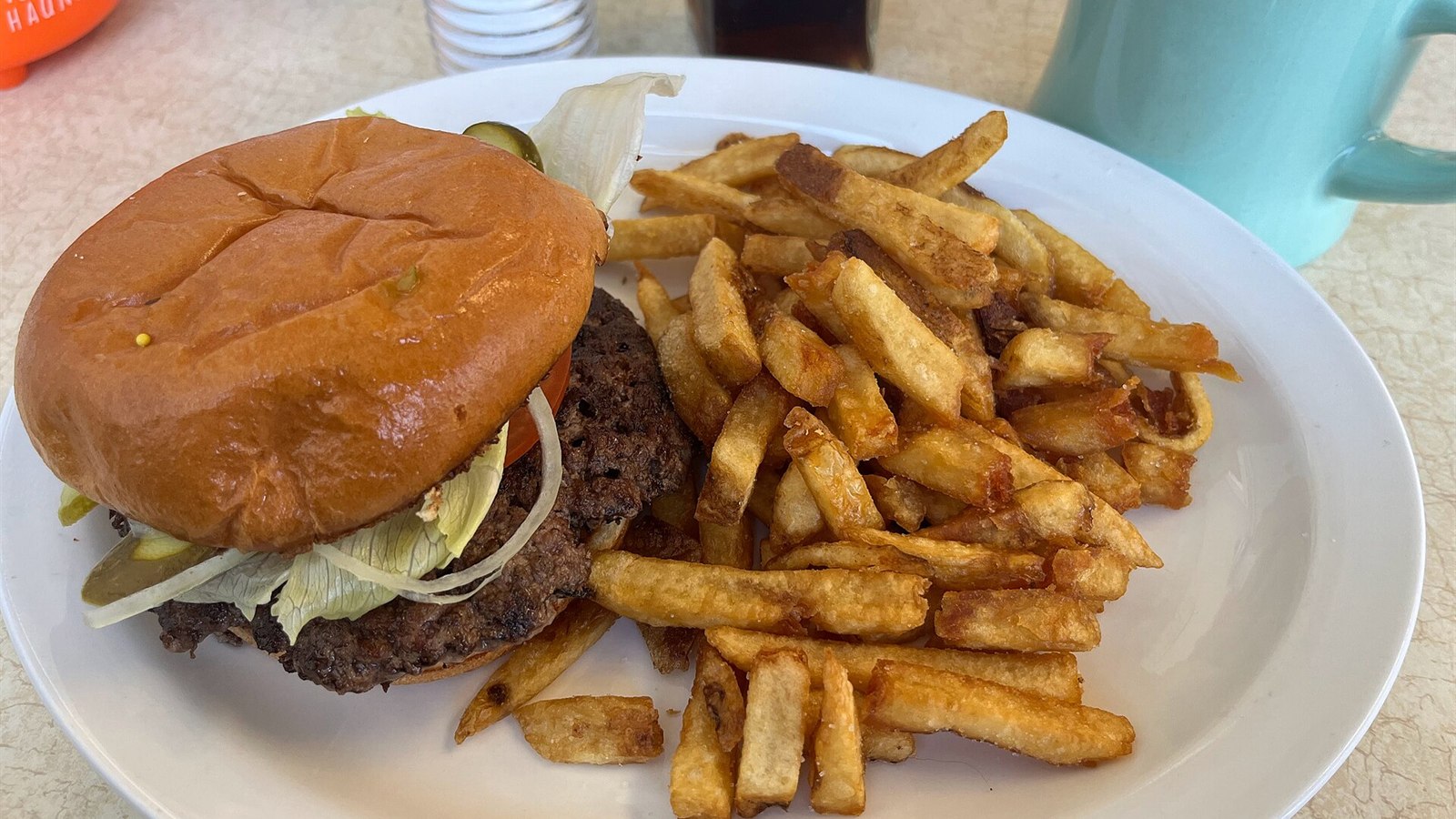
Born in Midwest diners, smashing chilled beef onto bare hot steel triples crispy Maillard surface area in under two minutes.
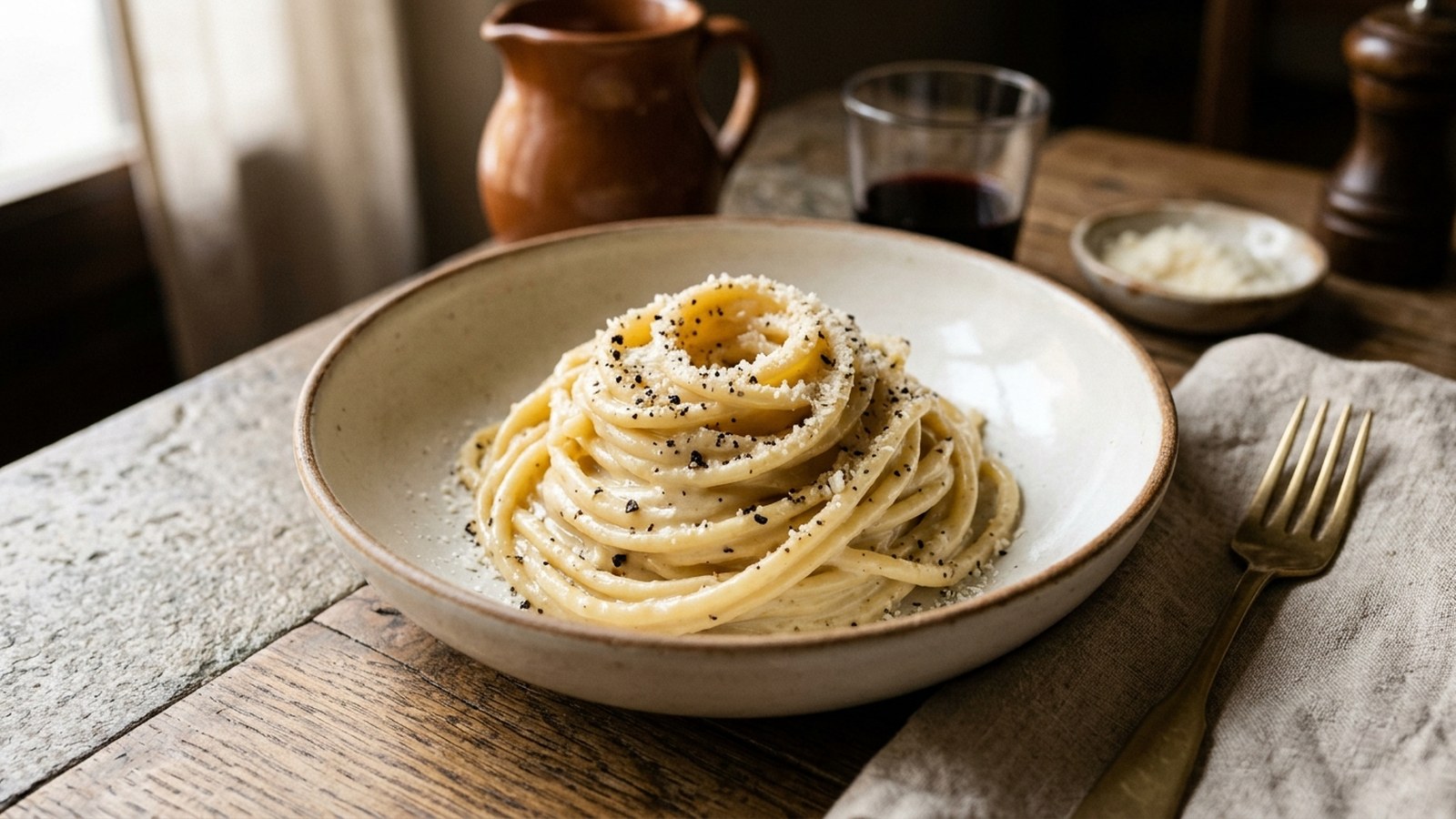
Born among Apennine shepherds carrying cured sheep cheese, dried pasta, and whole peppercorns, Cacio e Pepe is modern culinary science’s sharpest test of temperature control.
One of Tomasz’s earliest 2010 culinary dispatches from Kurier365.pl—bringing acidity into brown caramel so fried bananas turn bright and complex rather than overly sweet.
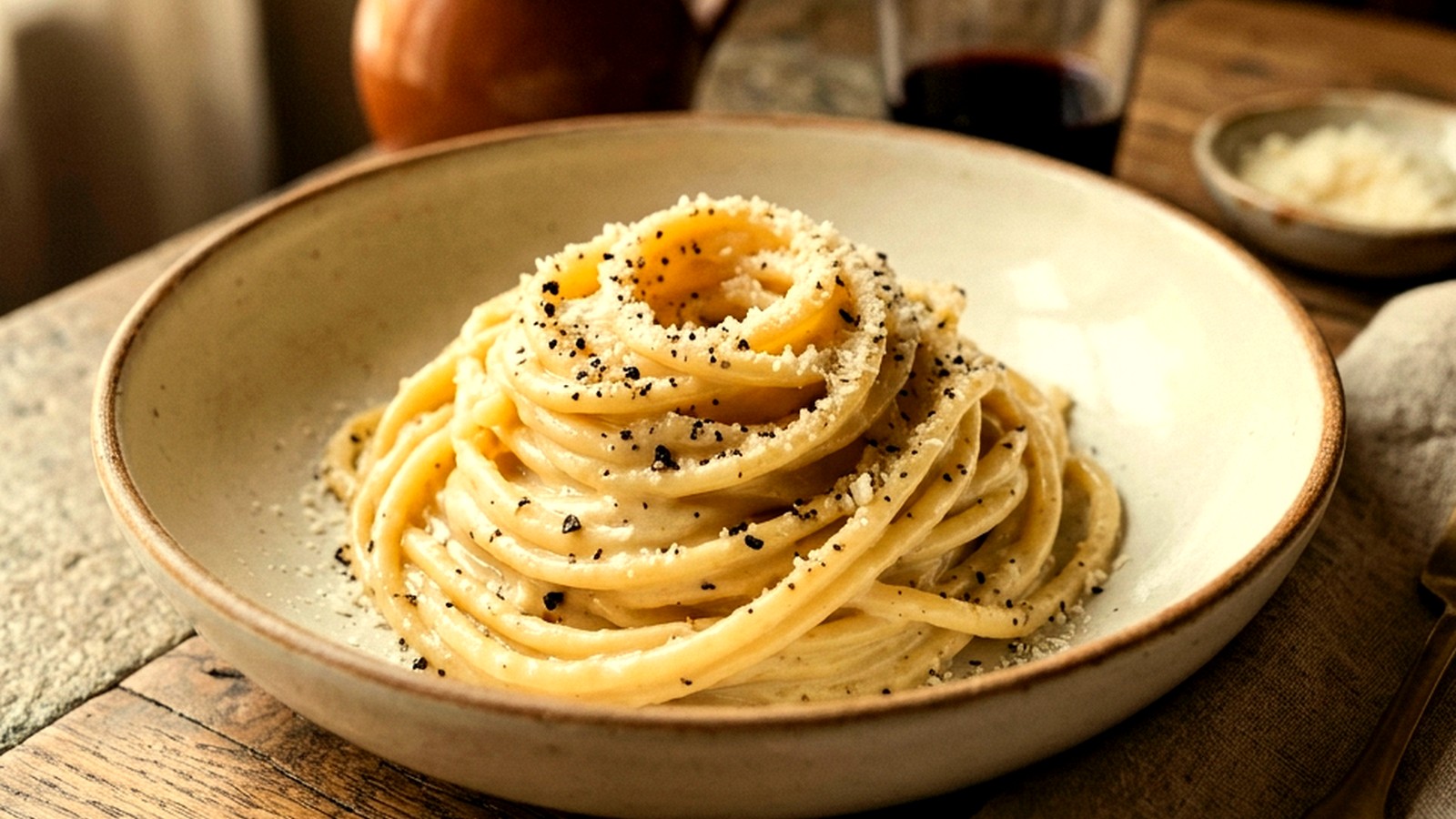
Rome’s legendary five-ingredient triumph: bronze-die spaghetti glazed strictly by rendered cured pork-jowl fat, aged sheep Pecorino Romano, black pepper, and raw yolk tempered into silk.
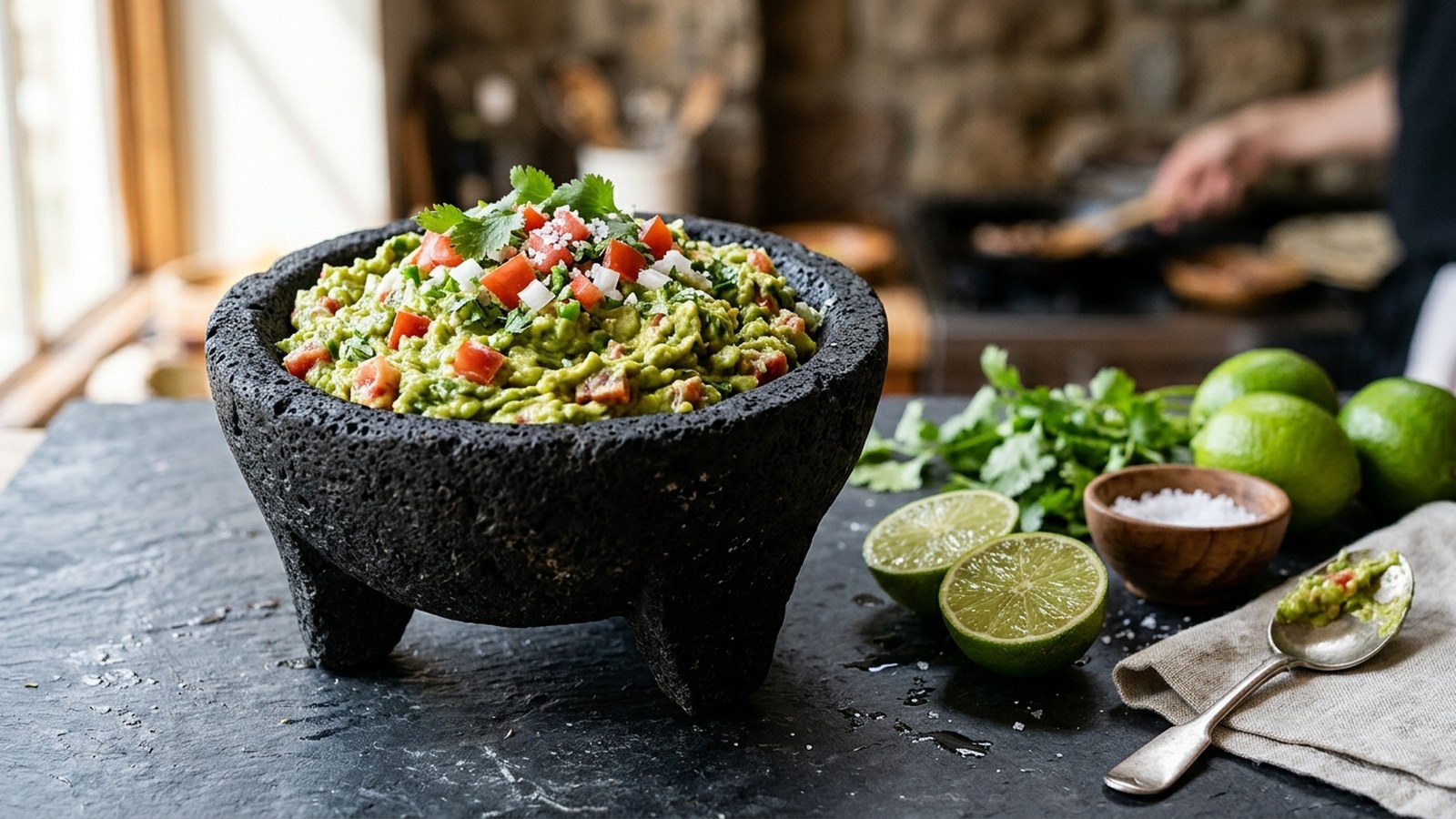
Rooted in Aztec stone-mortar tradition and documented in Tomasz’s 2010 travel notes as the bright acidic counterpoint to rich grilled steak.
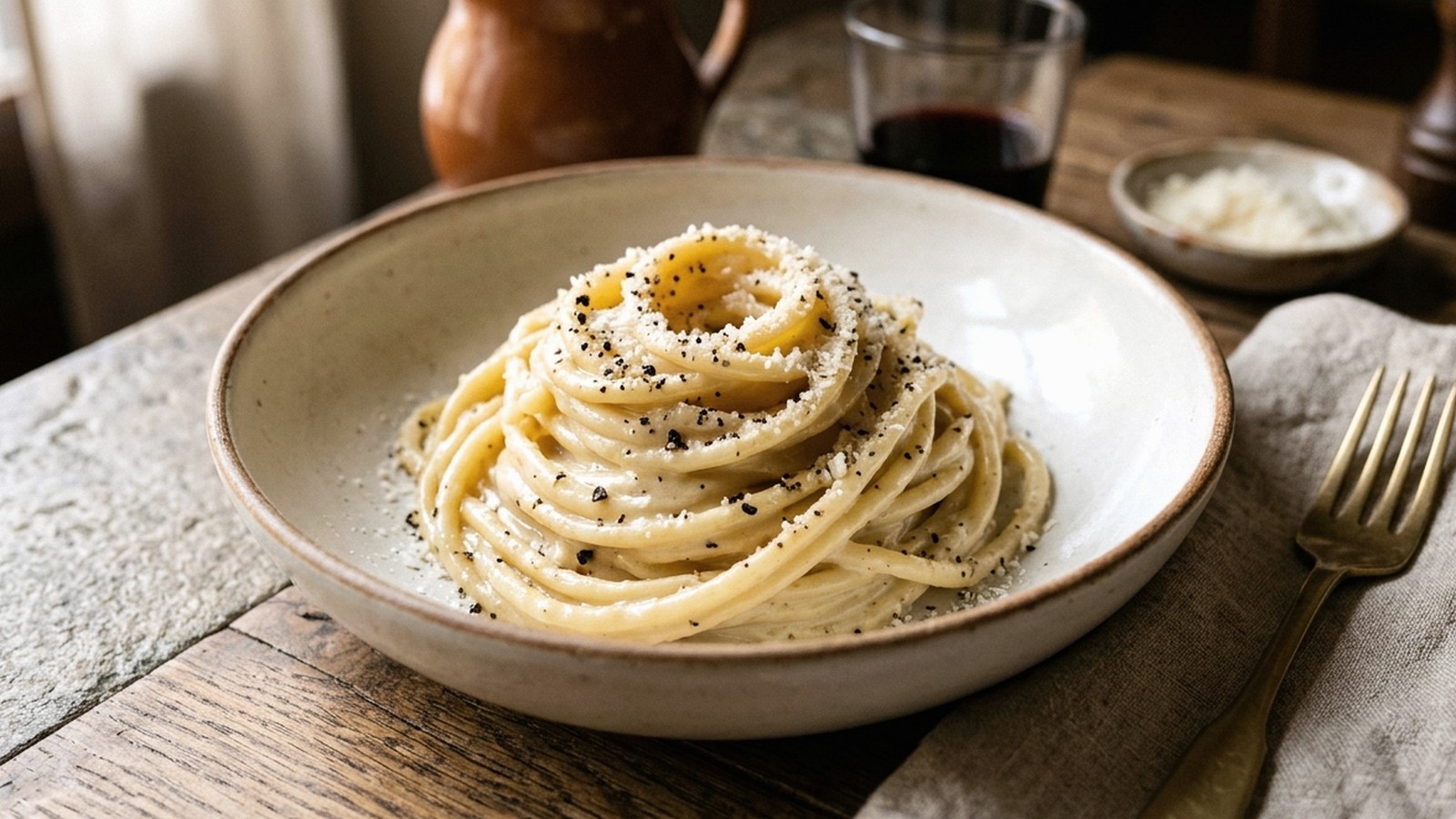
Literally post #271 from February 4, 2010—the inaugural home pasta dish of our publishing network, elevated with French shallots and Italian mantecatura technique.
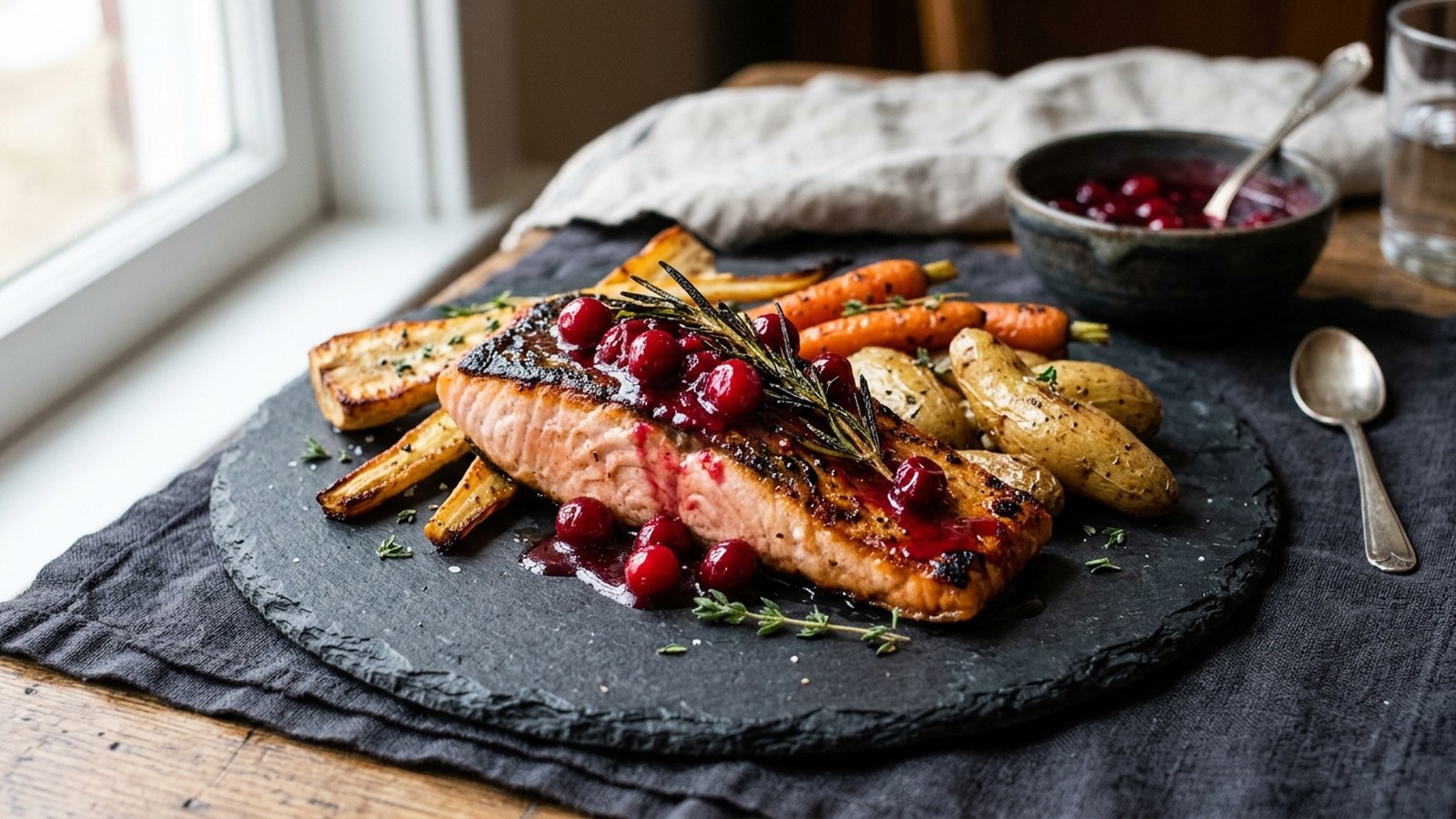
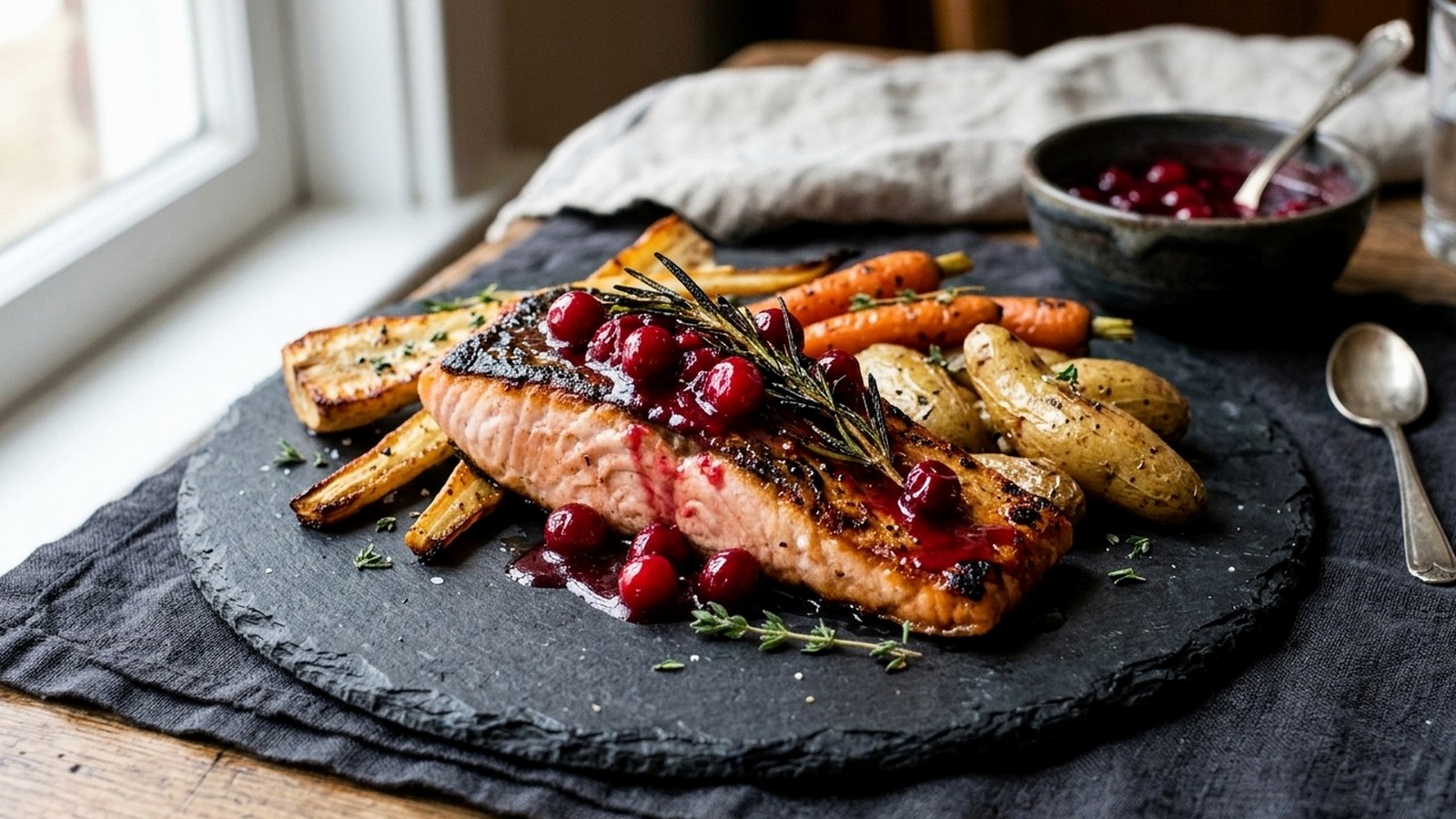
Uniting two December 2010 culinary dispatches—our fresh pressed cranberry sauce and grilled salmon—where bright fruit acidity balances rich omega-3 fillets.
Bangkok’s iconic street-wok masterpiece balancing four opposing pillars—sour tamarind, salty fish sauce, caramelized palm sugar, and crisp crushed peanuts.
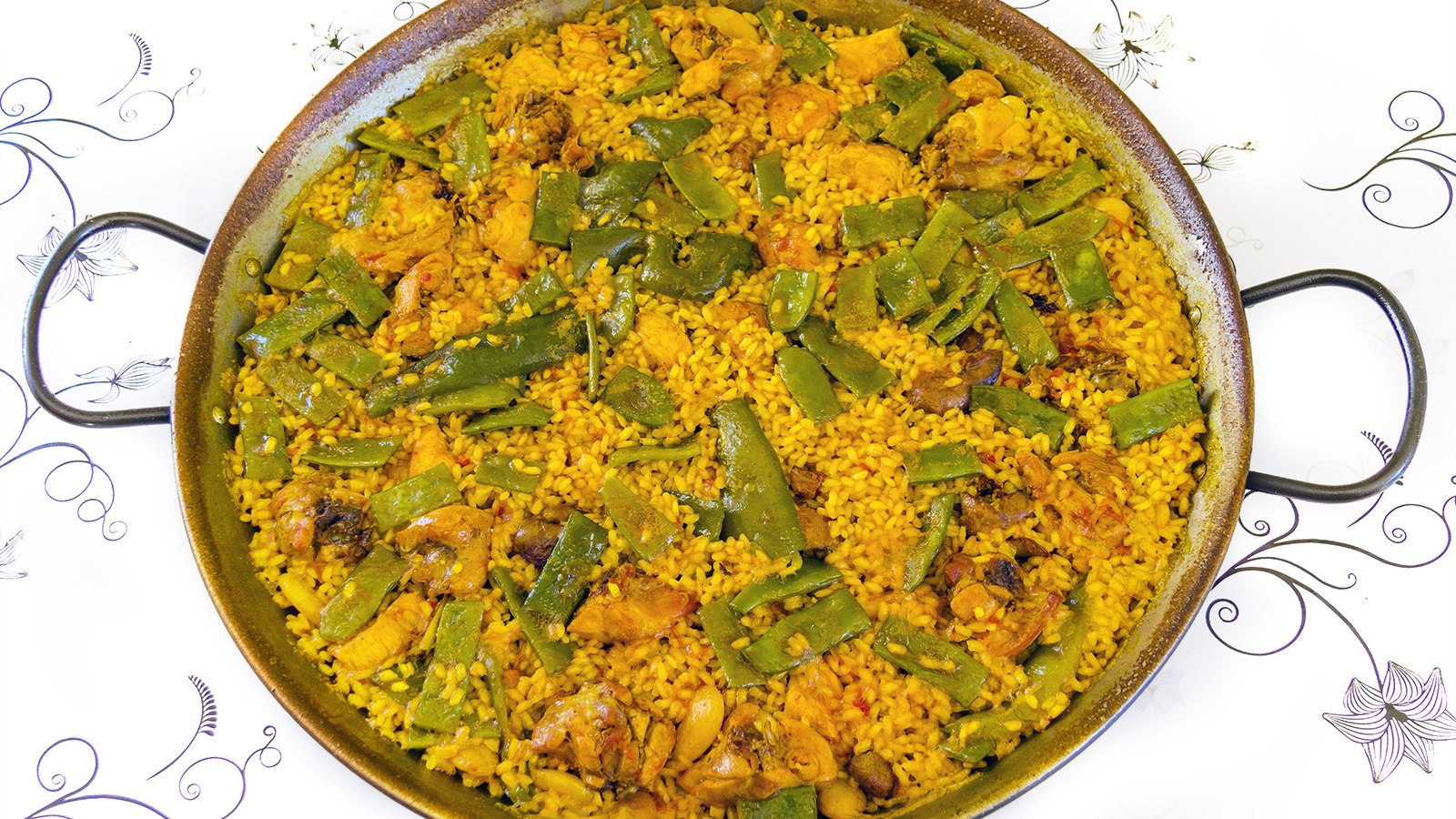
In Valencia, great paella is judged by its crispy caramelized bottom crust (socarrat), achieved only when stirring stops completely.
From royal Jeonju tables to modern Korean cafes: short-grain rice topped with vibrant marinated vegetables, savory beef, and fried egg—elevated in Dolsot style by a crackling toasted rice crust.
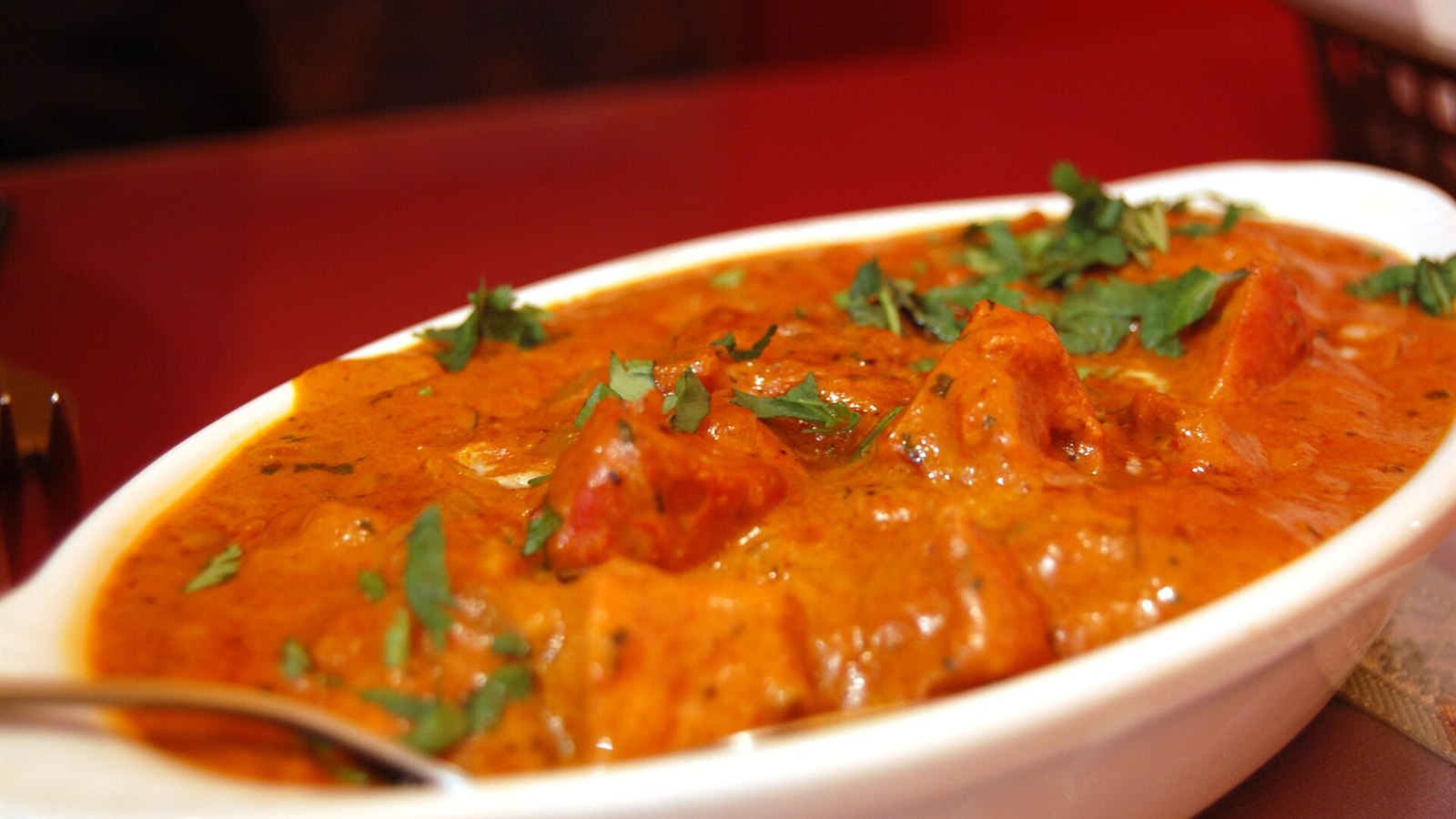
Created in 1950s Delhi at Moti Mahal when smoky tandoori chicken met rich butter-tomato gravy, balancing acid, fat, and warm spices.
Created by Santiago Rivera at La Viña bar in San Sebastián, turning conventional baking upside down: high heat chars the outer crust black-amber while leaving the center custardy.
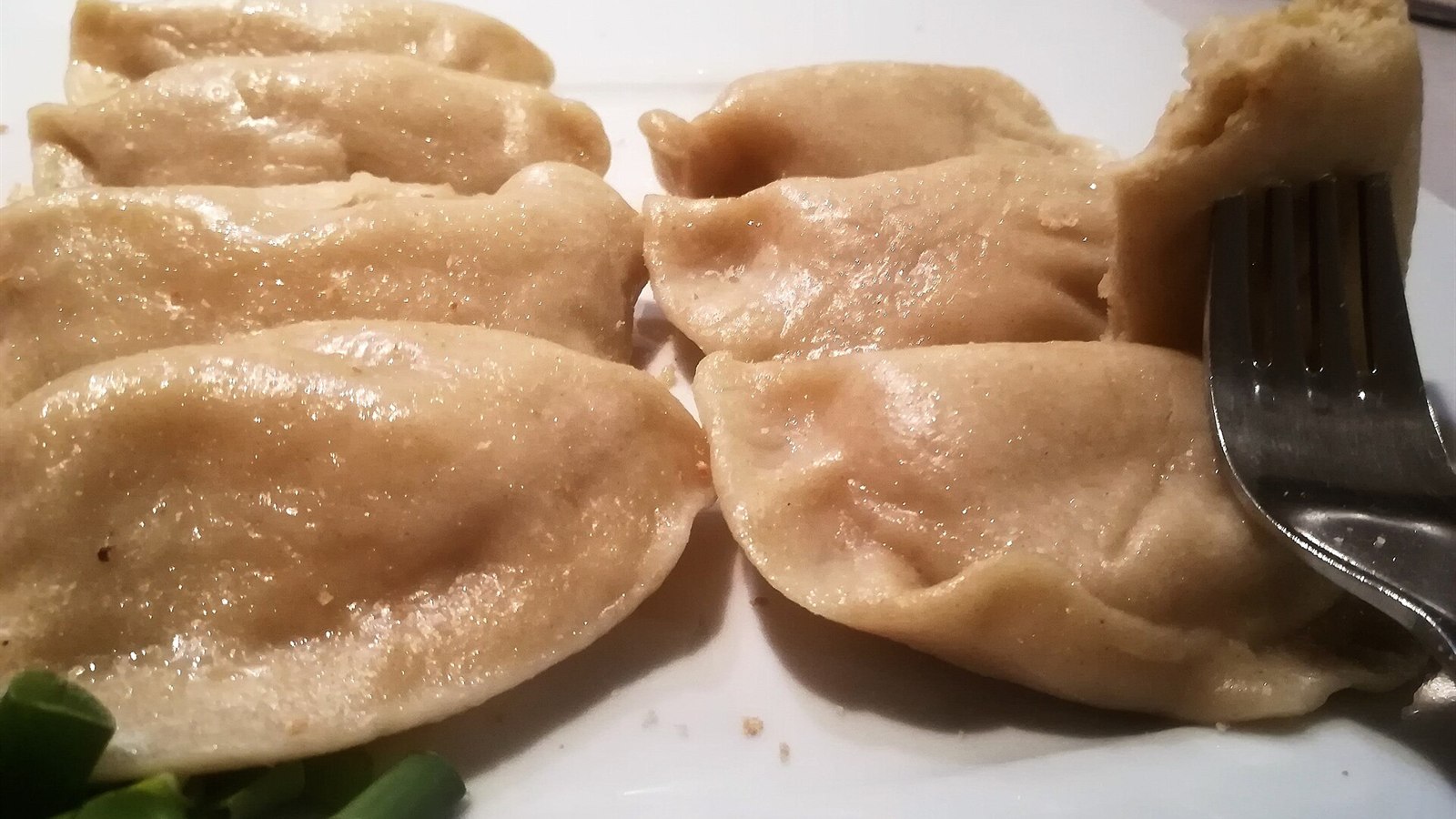
Iconic Polish comfort from historic Red Ruthenia: balancing tangy farmers cheese, sweet butter-caramelized onion, and freshly cracked black pepper.
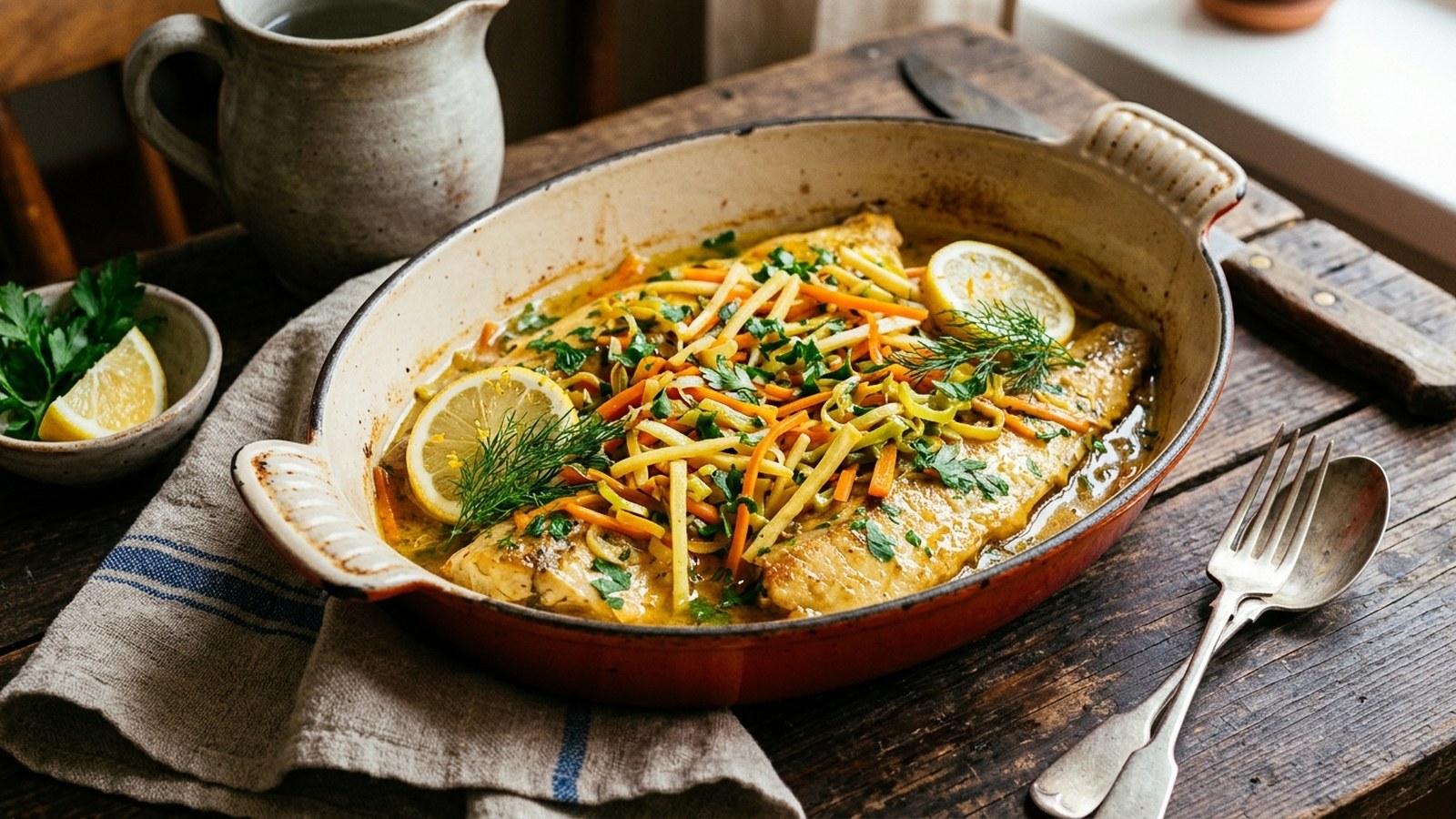
Originally published in our December 2010 Polish Christmas kitchen series, braised pike shines when mild root vegetables infuse unsalted butter without overboiling the fish.
Revived from our February 5, 2010 inaugural archive on Kurier365.pl: uniting Polish autumn woodland mushrooms with classic butter-pastry blind baking.
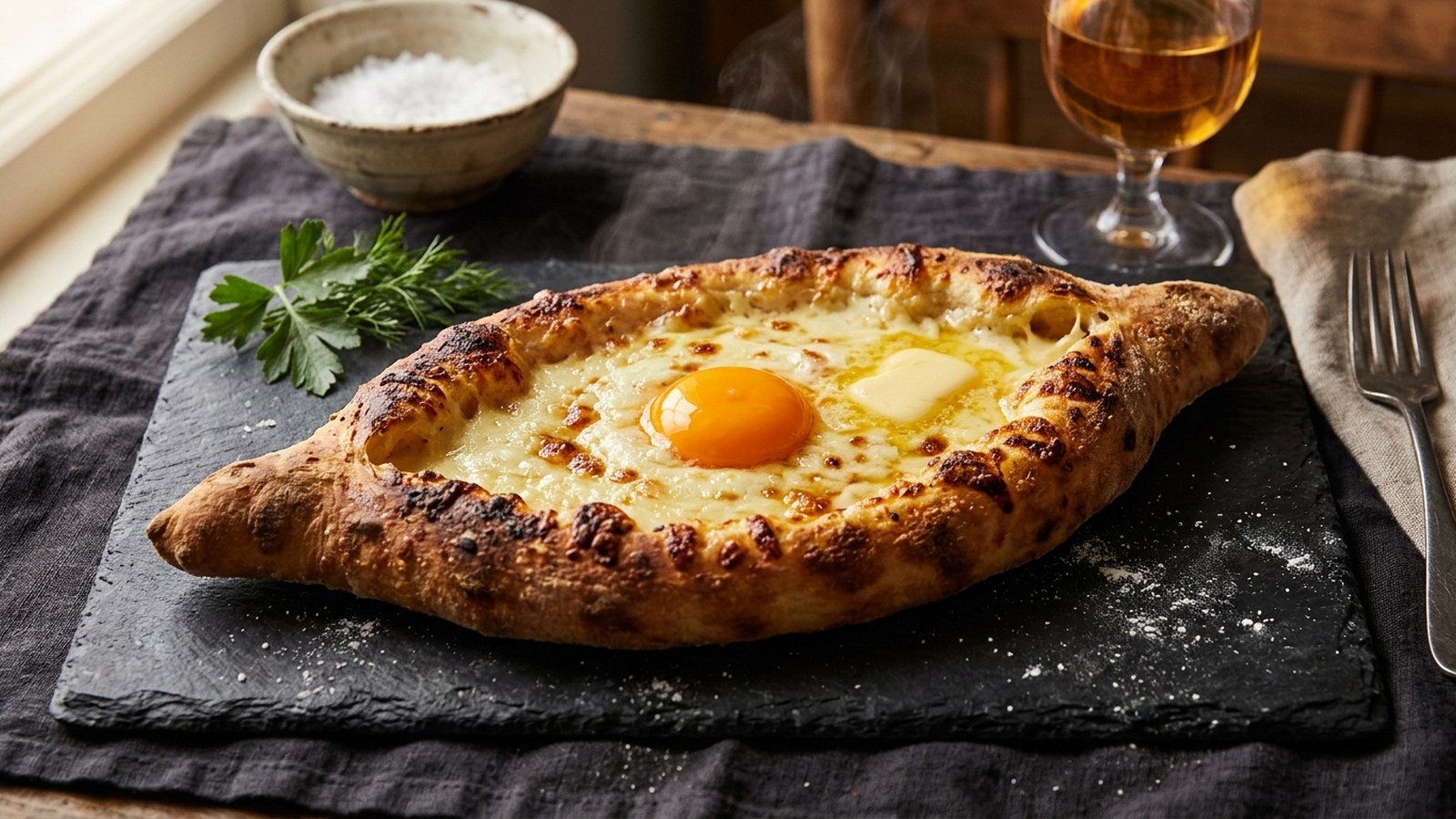
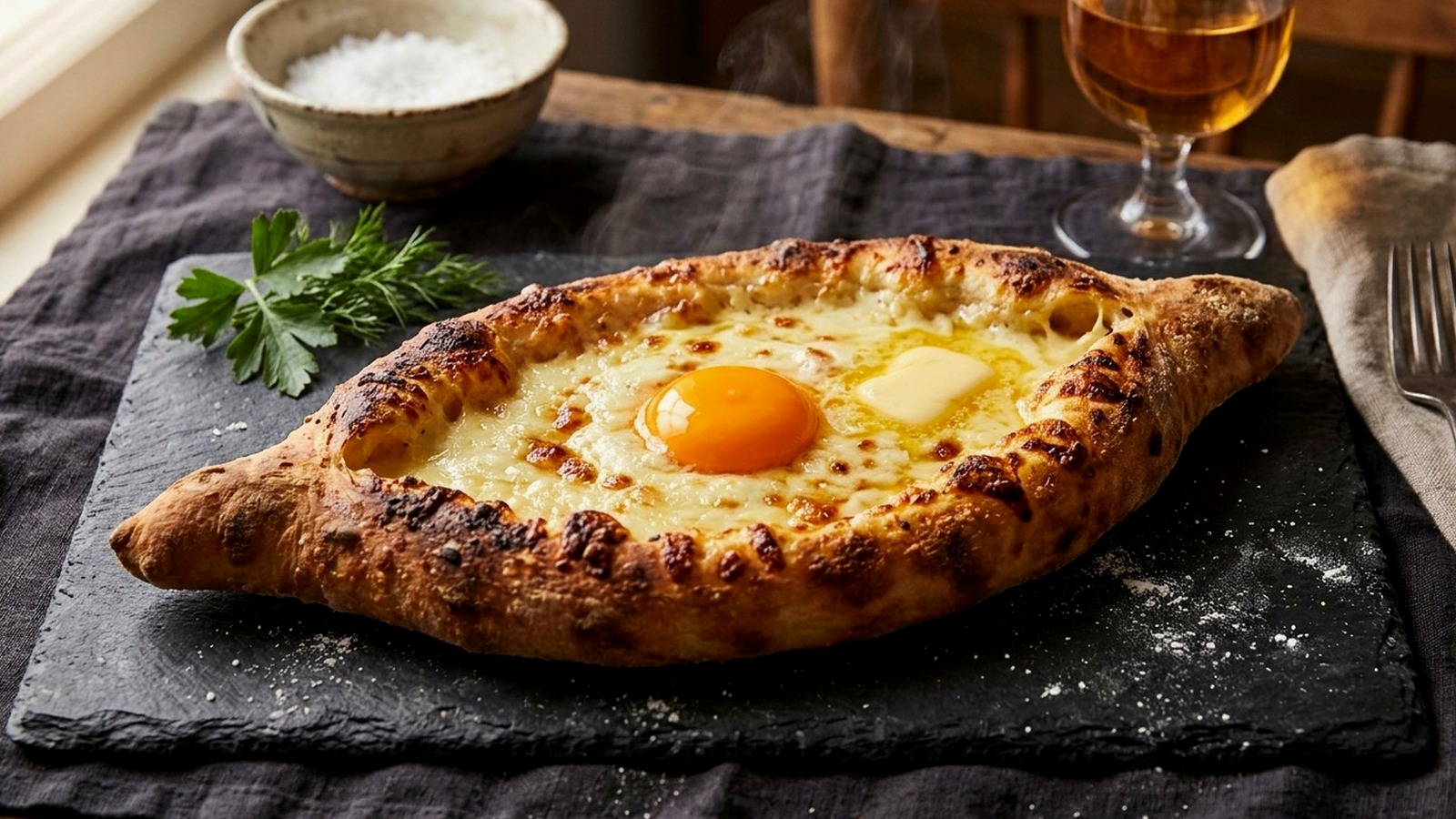
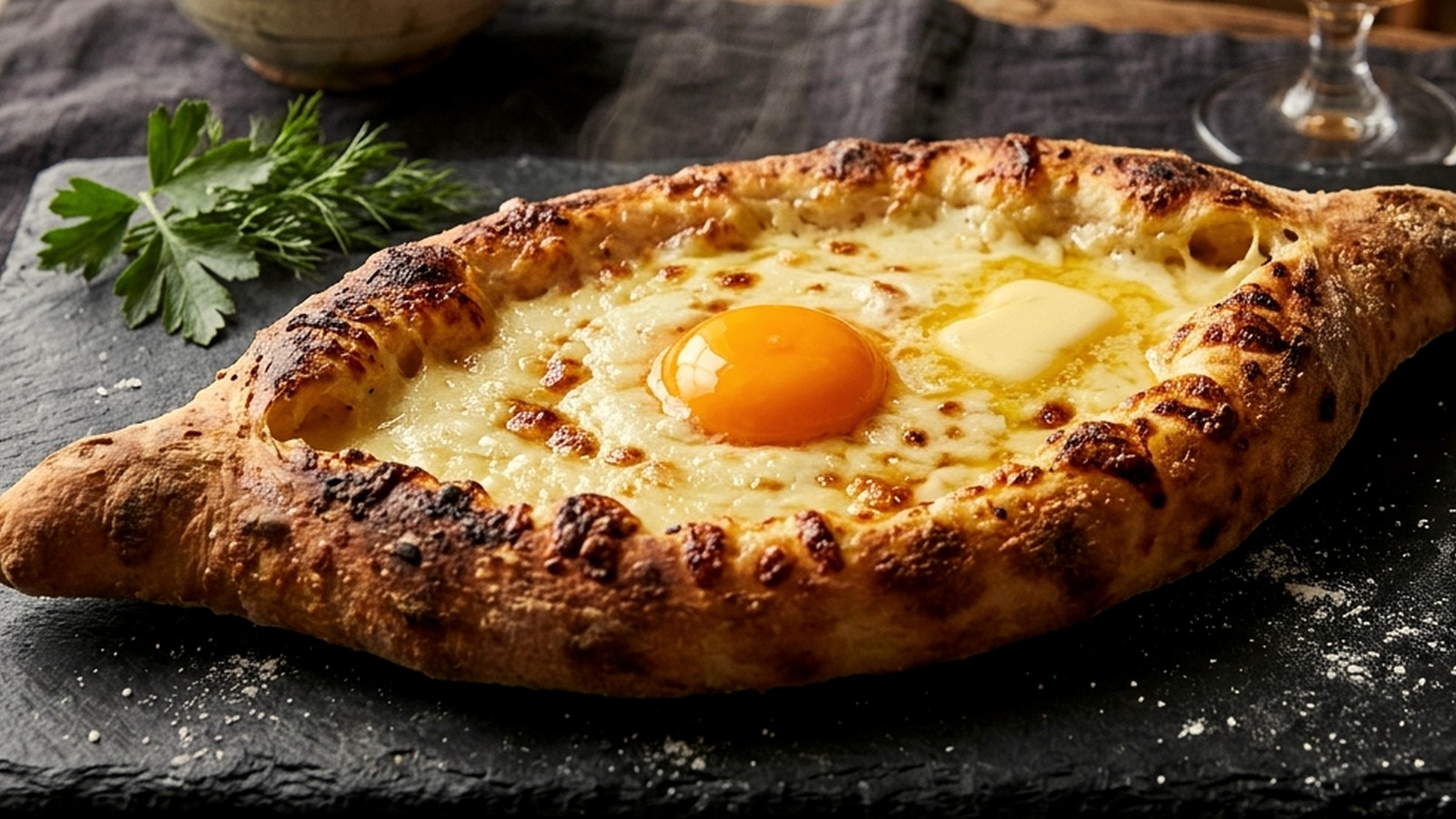
Born among Black Sea sailors in Batumi, Georgian bread boats marry pillowy open-crumb edges with molten brined cheeses finished at the table with cold butter and raw yolk.
Featured in Kurier365’s Dec 19, 2010 holiday series. True Anatolian crispness comes from removing milk moisture via clarified butter and pouring cold syrup directly over sizzling pastry.
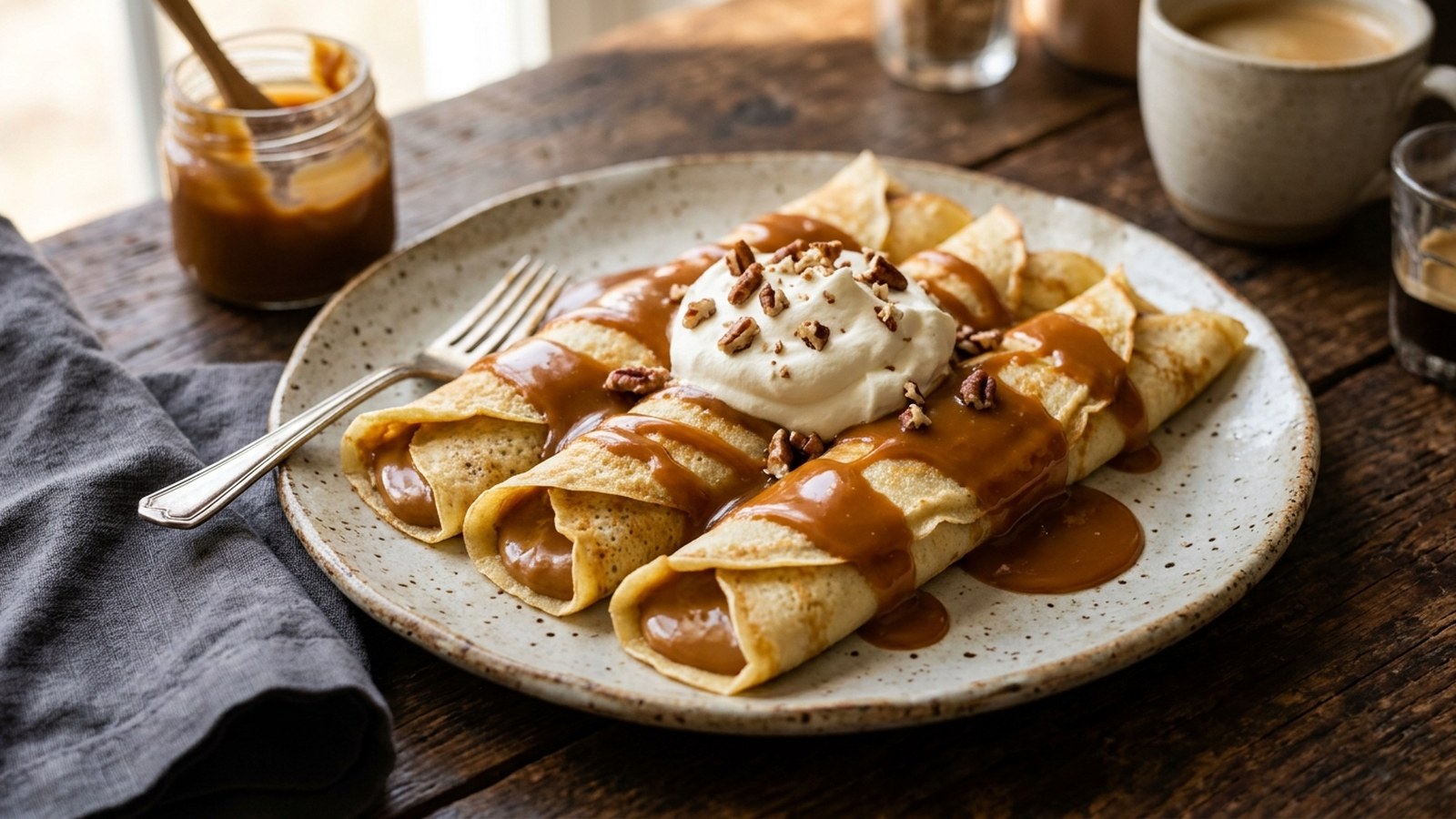
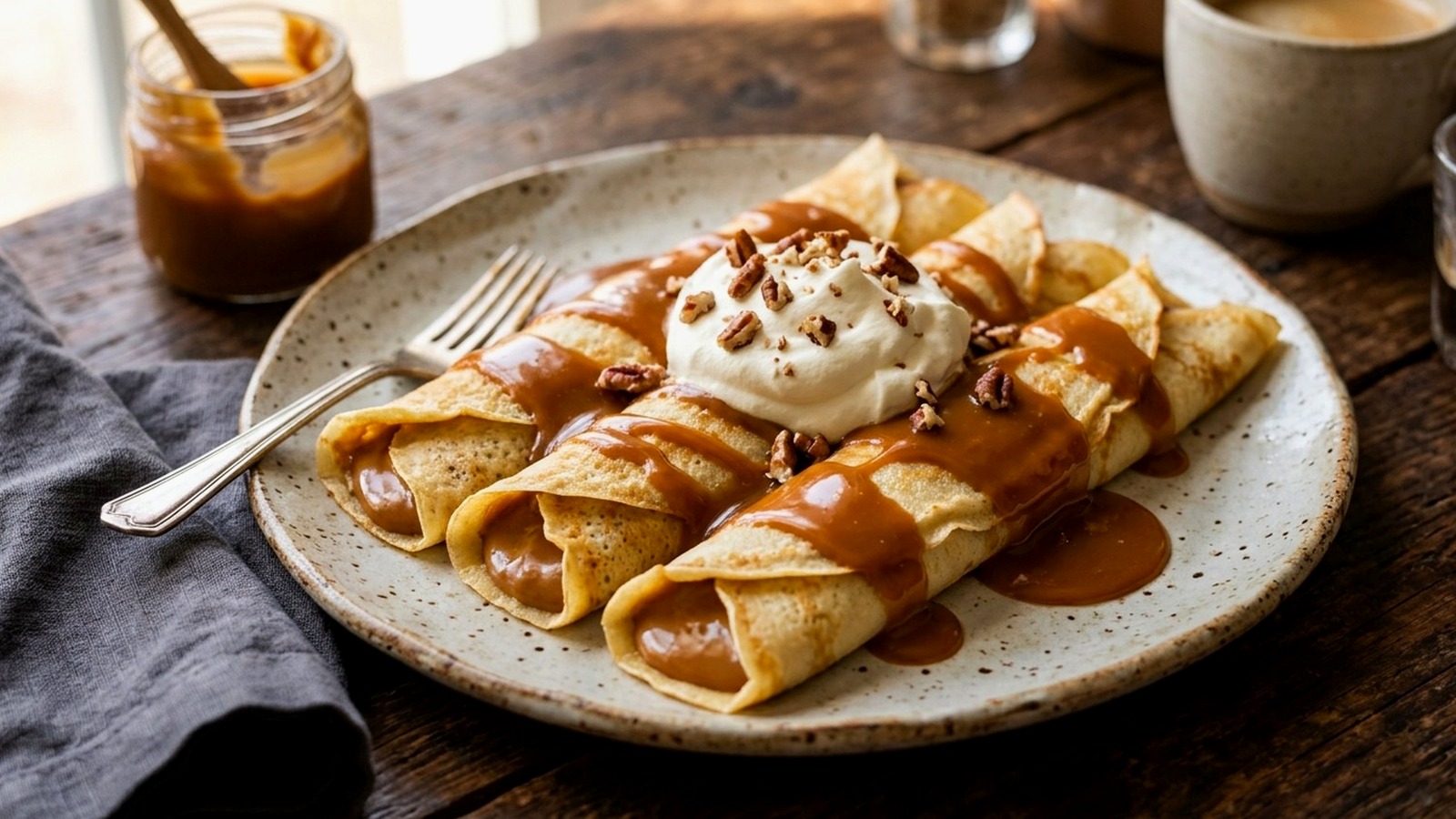
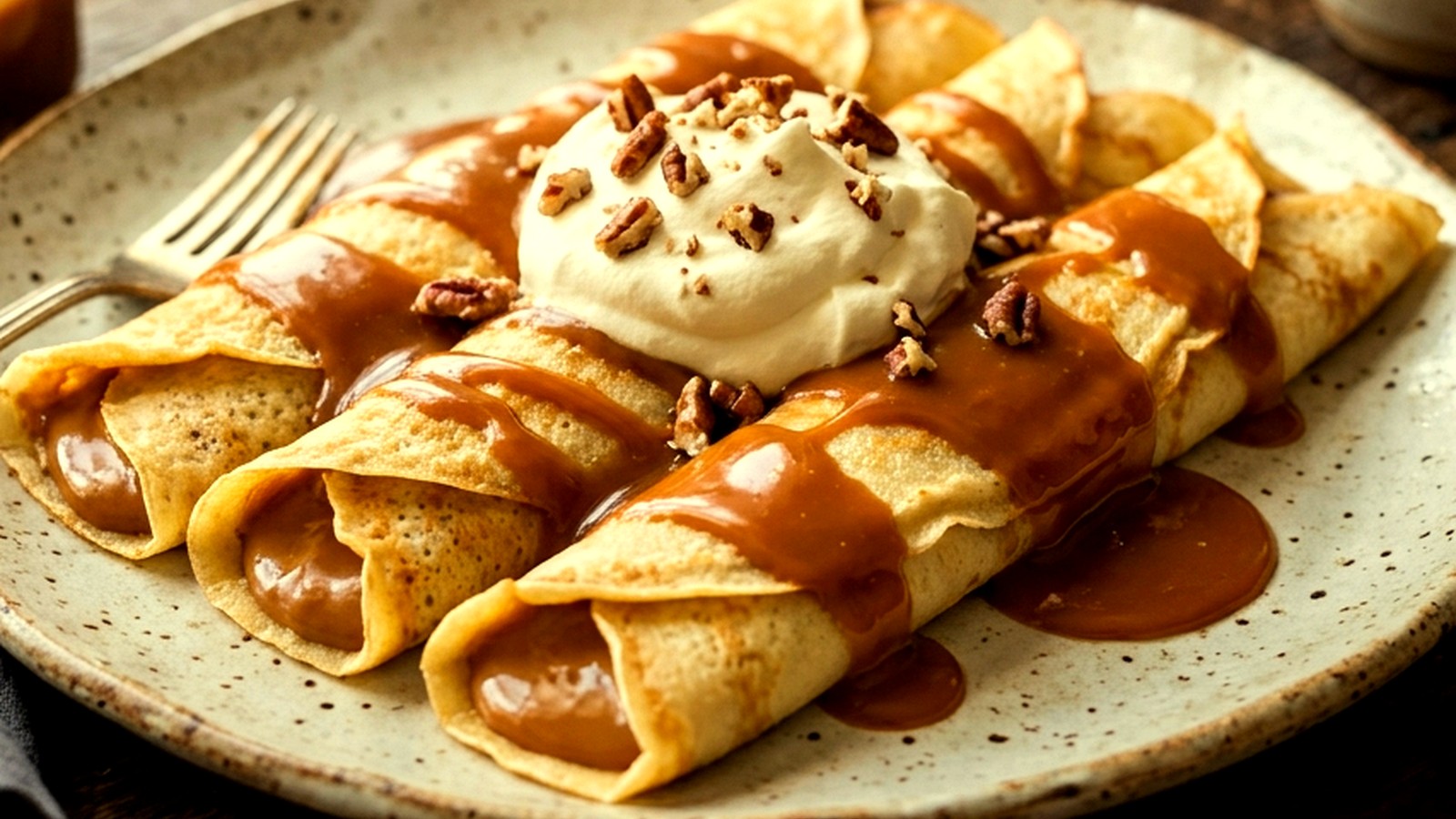
Dulce de leche is Argentina’s unofficial dessert emblem—spread generously inside paper-thin panqueques with lightly whipped cream from Buenos Aires cafes to Mendoza.
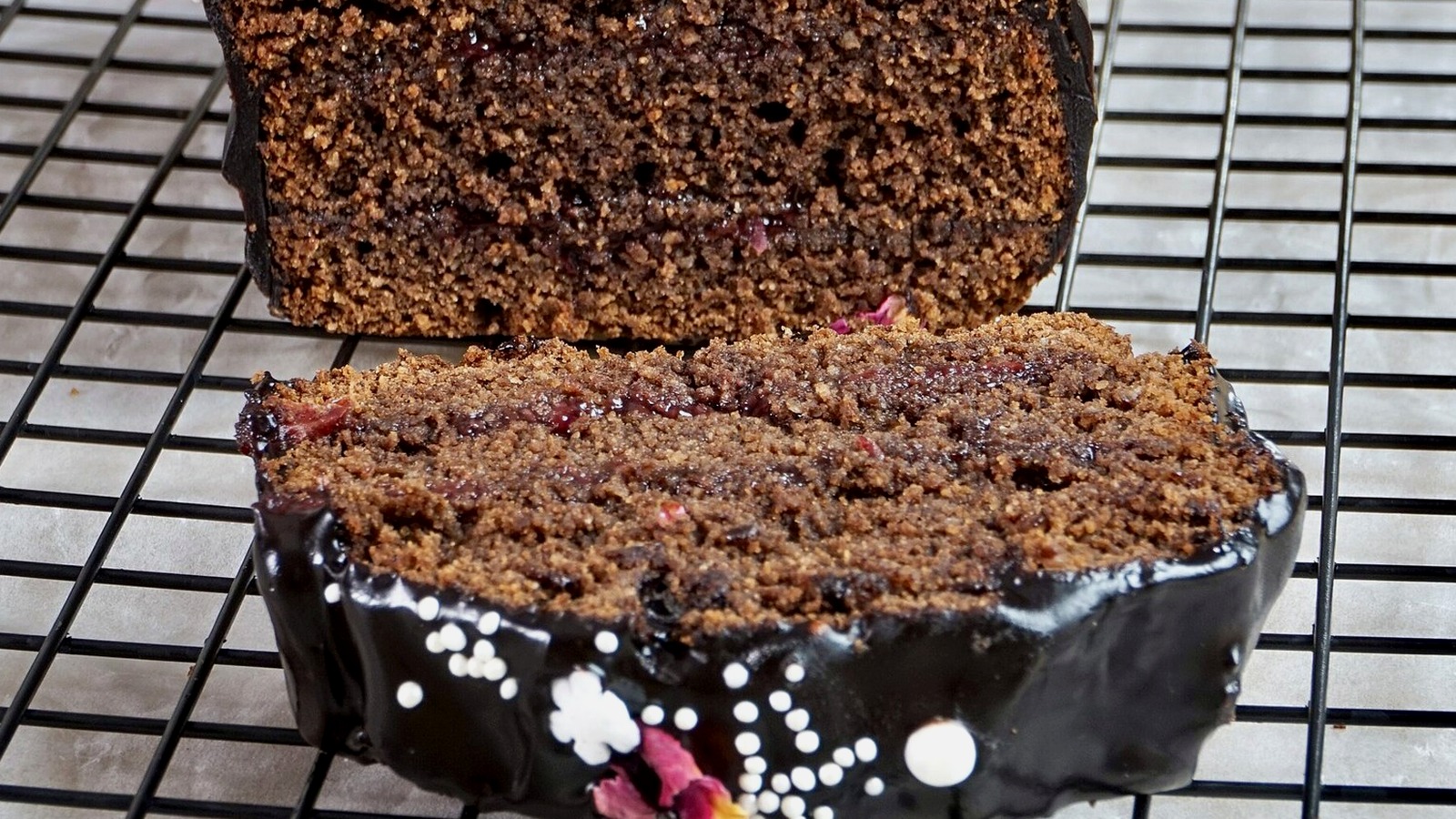
Adapted from Kurier365’s December 17, 2010 holiday series: locking moisture inside dense ground poppy seeds via grated apples, butter, and folded egg-white meringue.
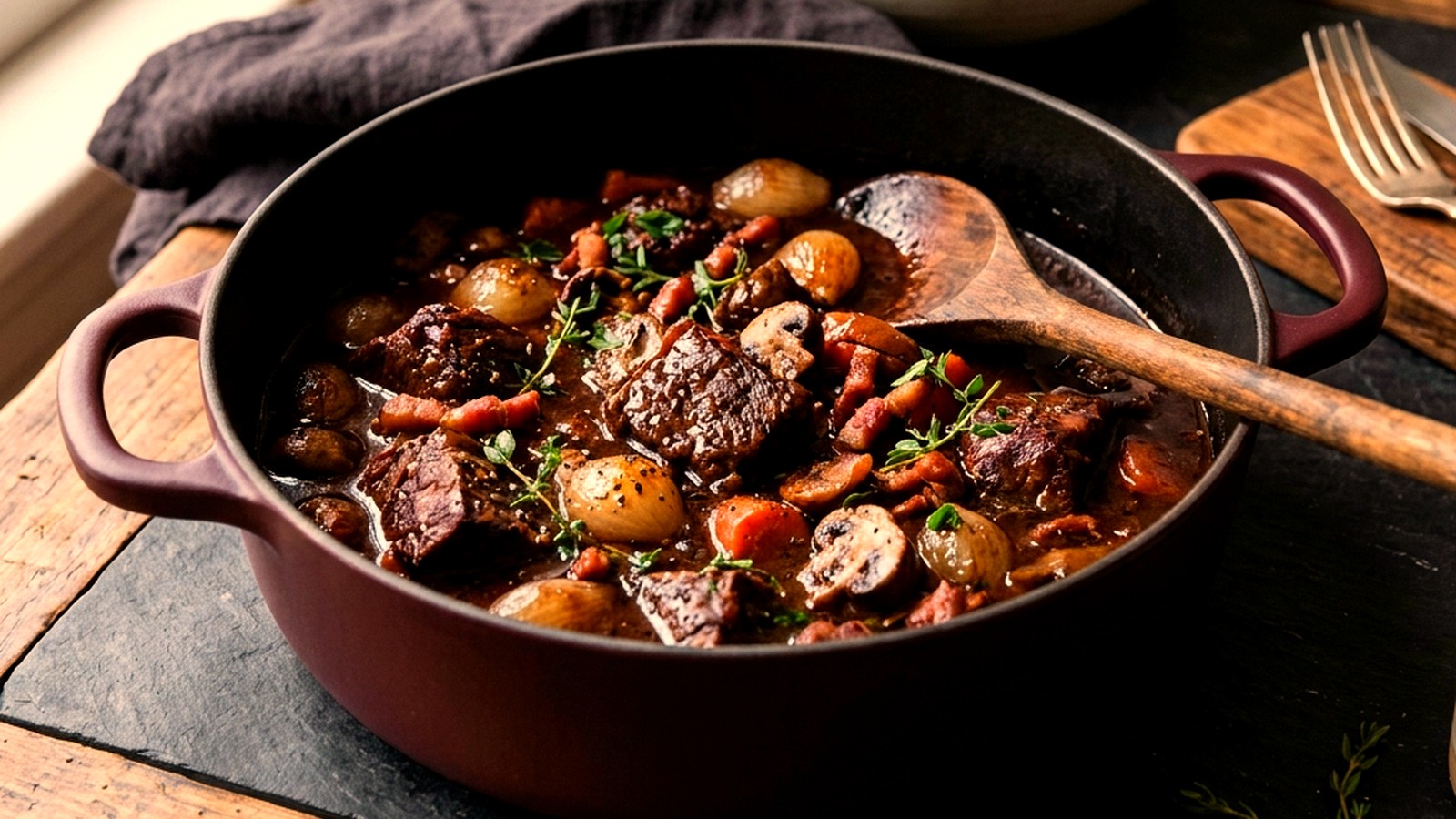
Herdsmen’s kettle soup-stew of the Great Hungarian Plain built around equal weights of slow-jammed onions and shin beef infused off-heat with bright sweet Szeged paprika.
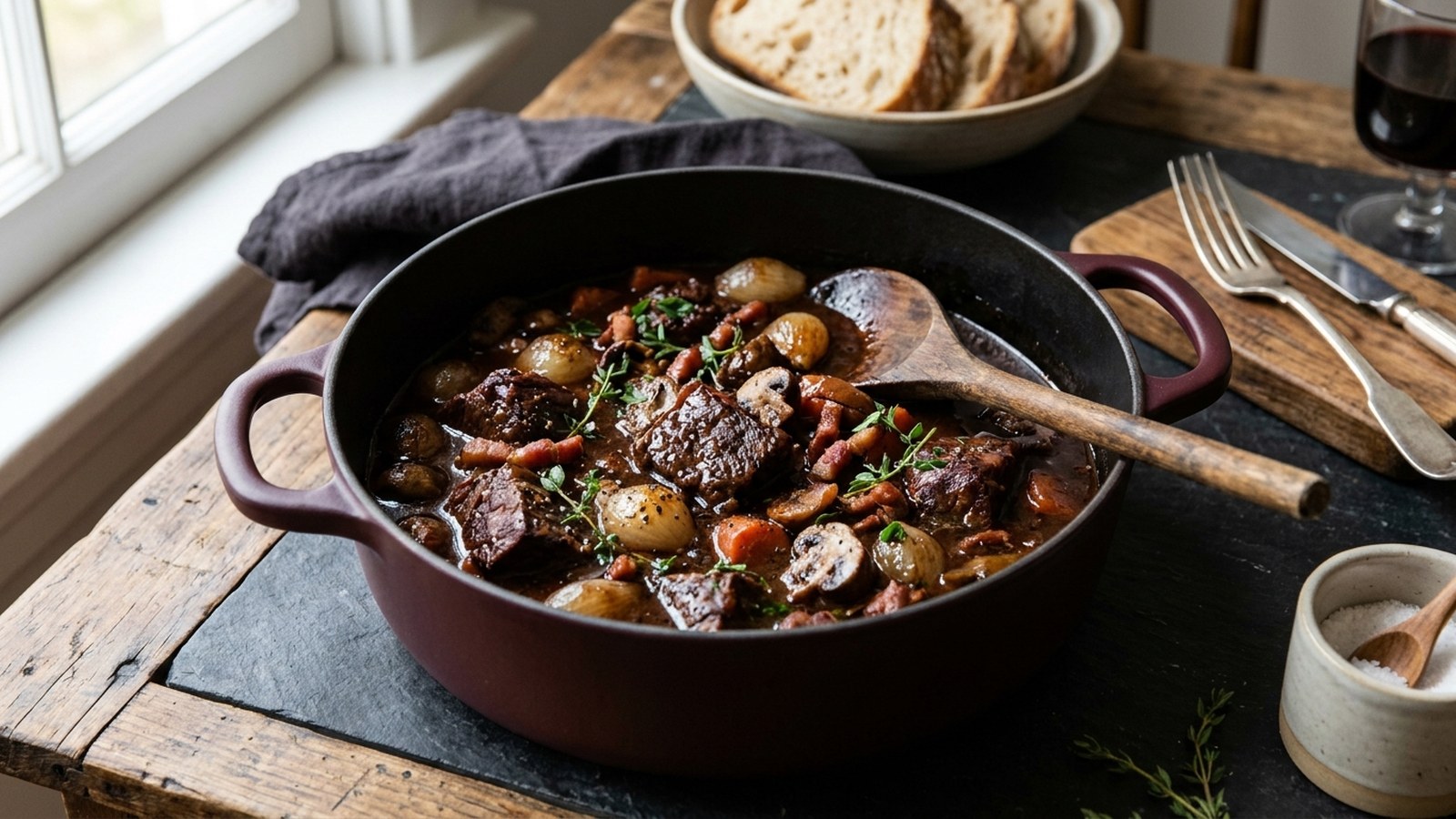
Burgundy’s peasant triumph refined by Lyon bistro chefs: collagen-packed chuck beef melts inside concentrated Pinot Noir, smoked lardons, pearl onions, and forest mushrooms.
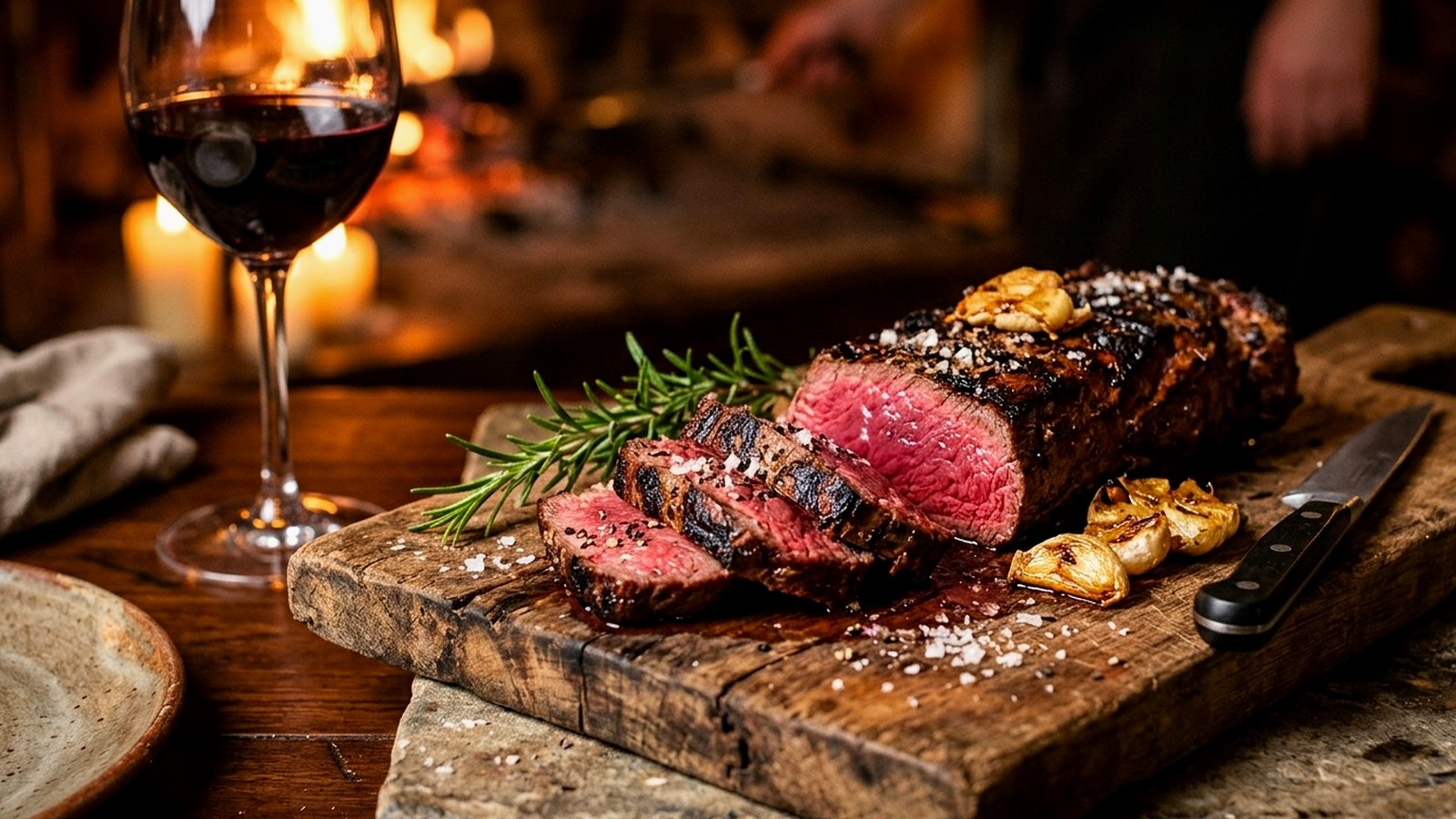
Adapted from Tomasz’s original 2010 Mendoza dispatch: free-range Pampas beef seared pure on iron parrilla grates alongside high-altitude Malbec from Luján de Cuyo.
Born when Lebanese vertical-spit traditions fused in Puebla with dried guajillo chilies, earthy annatto (achiote), orange acid, and tropical pineapple caramel.
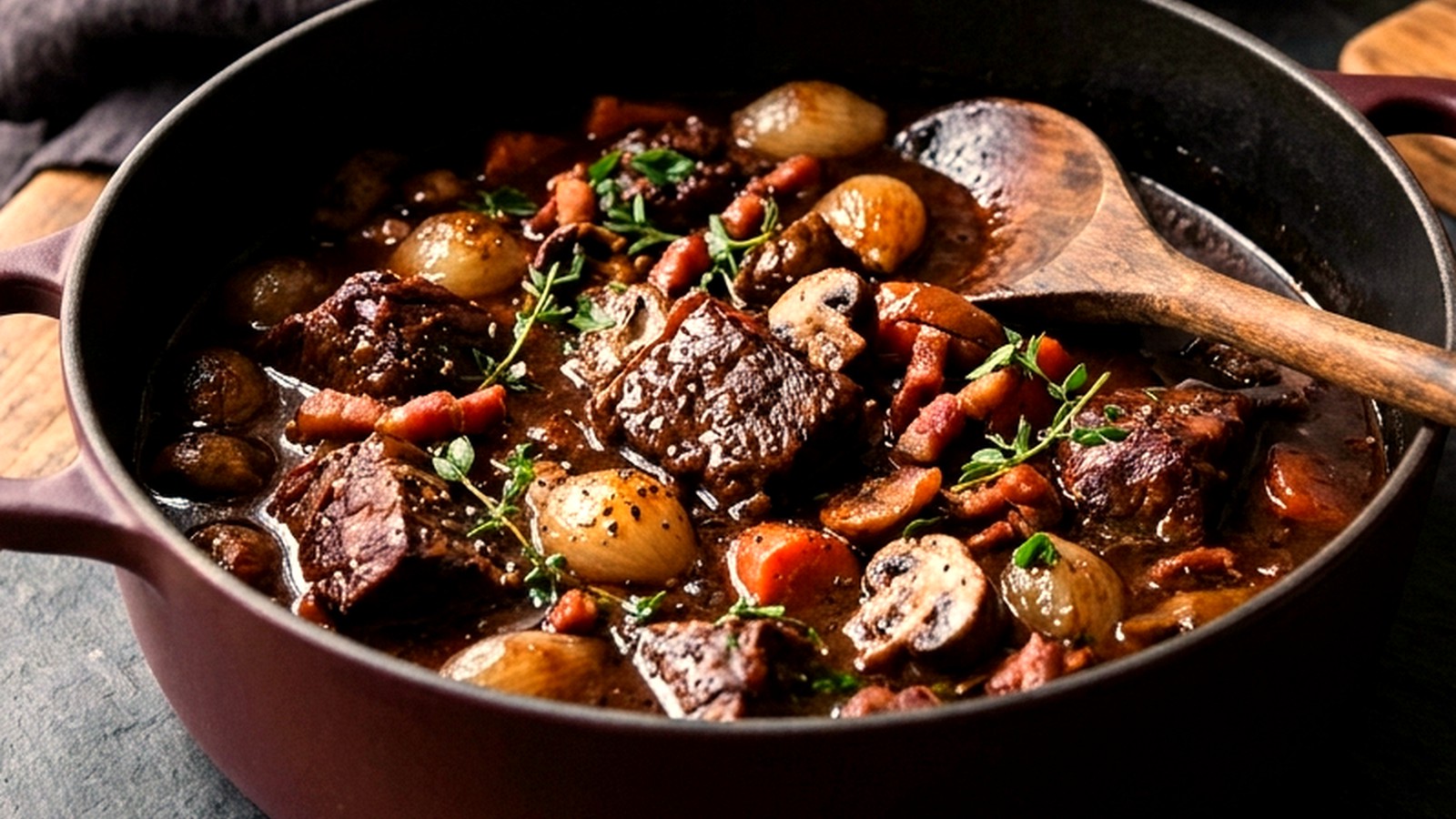
Registered officially in 1982 at Bologna’s Chamber of Commerce: pancetta-enriched beef browned over soffritto, braised slowly with dry wine and whole milk before barely kissing tomato passata.
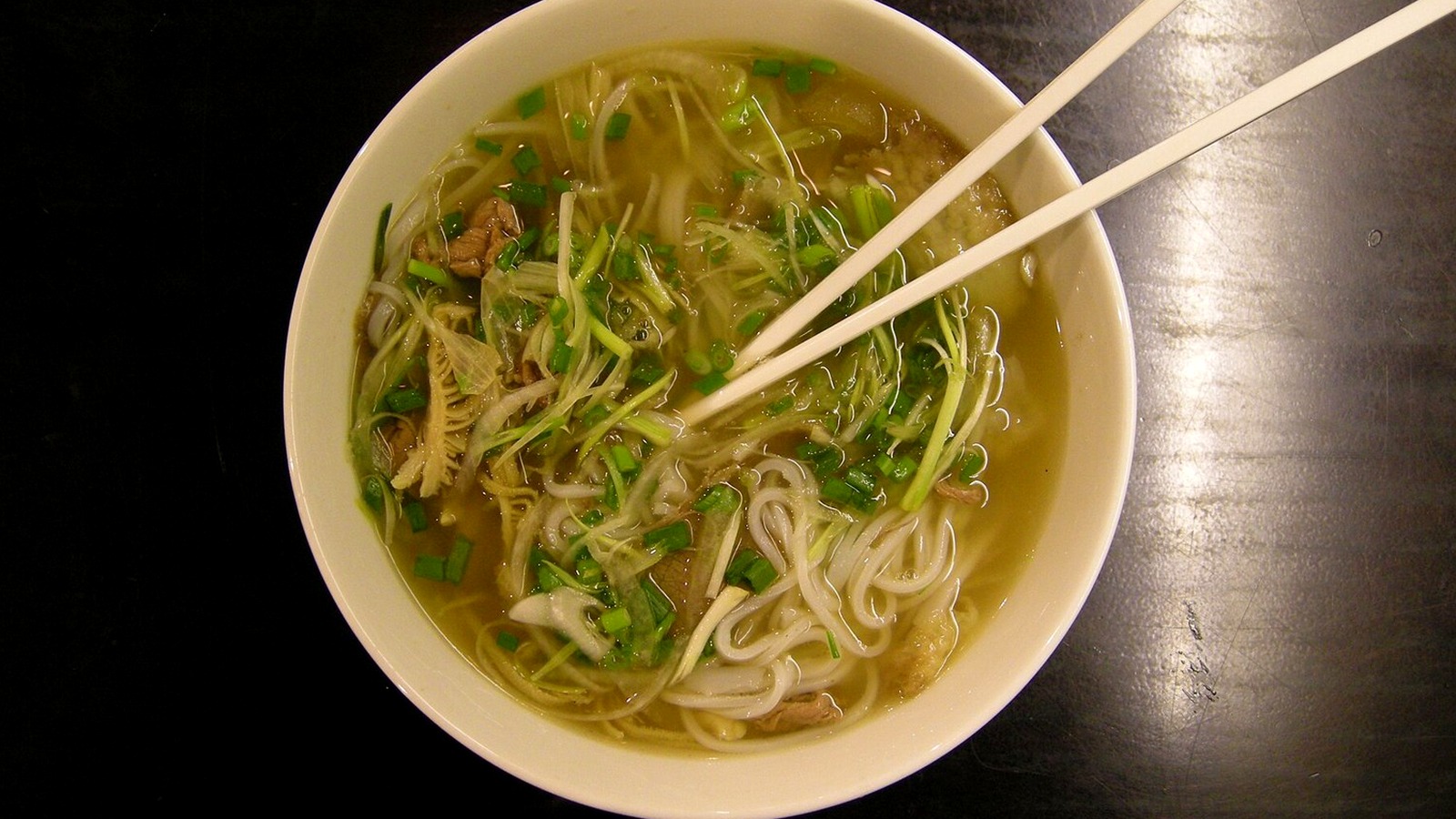
Adapted from Kurier365.pl’s classic Polish Sunday soup guide: clean culinary physics extracting sweet onion caramels, collagen, and natural glutamates without boiling emulsification.
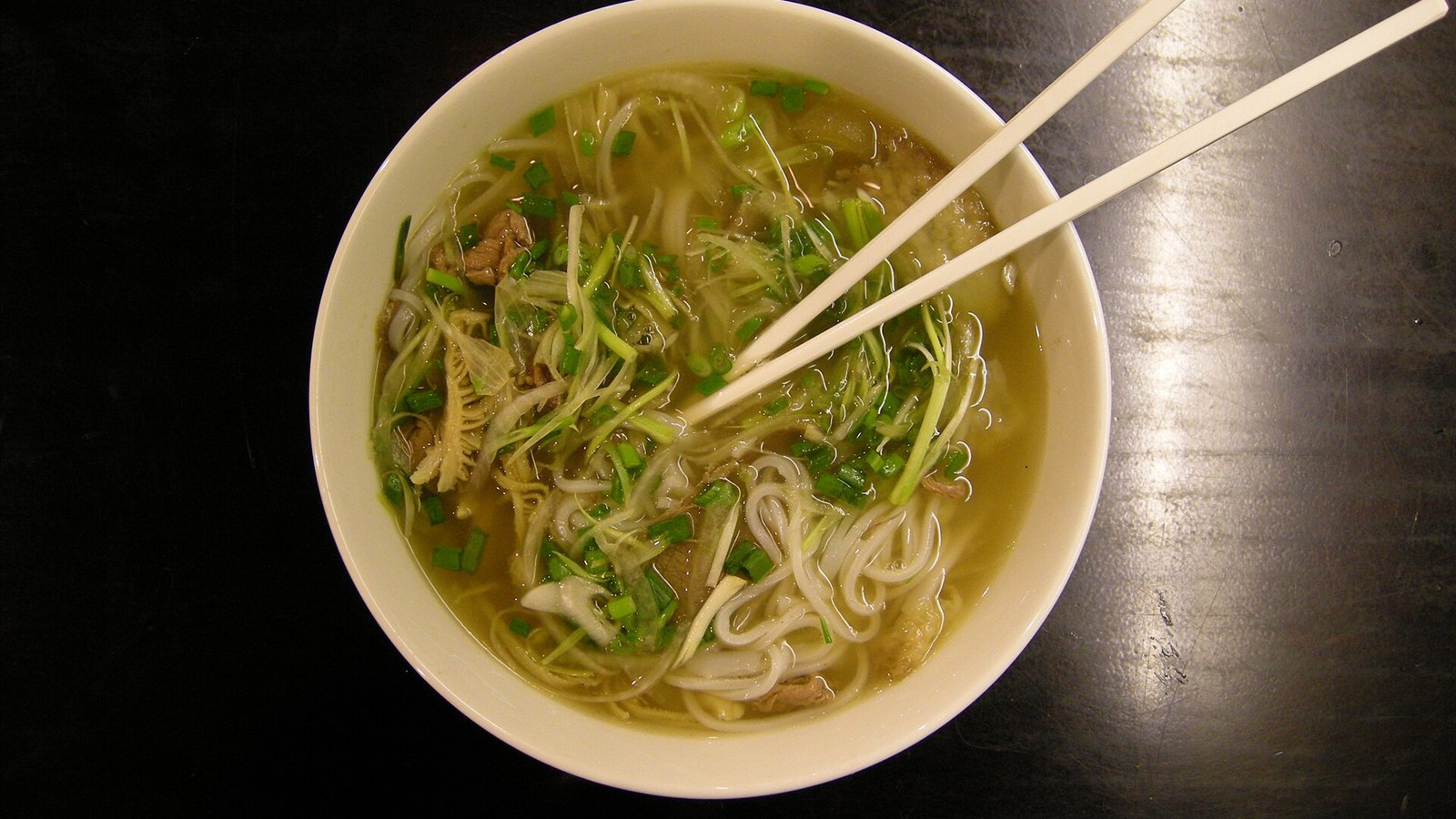
Northern Vietnam’s iconic noodle broth built on fire-charred aromatics, toasted star anise, cinnamon, and crystal-clear marrow richness.
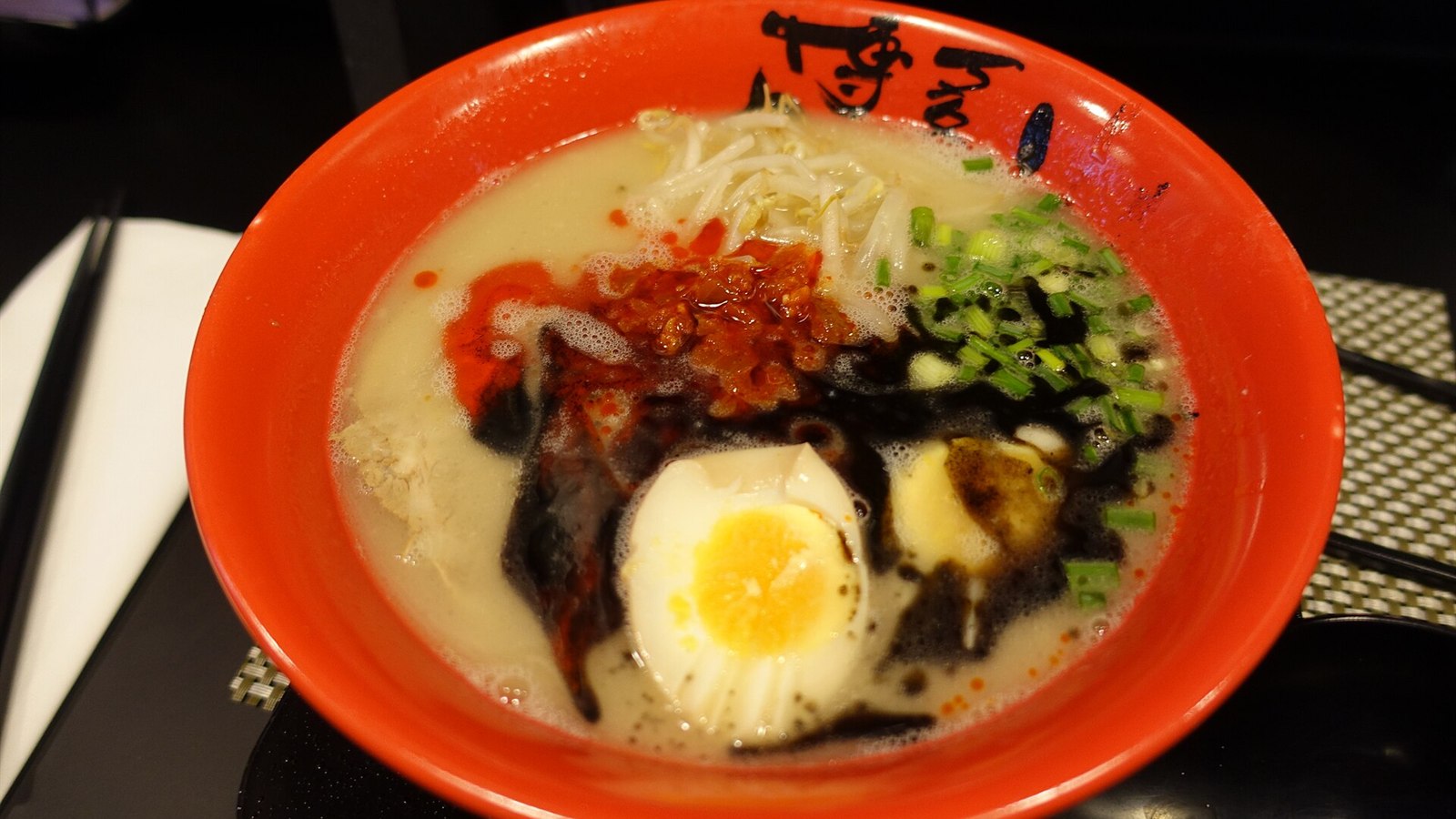
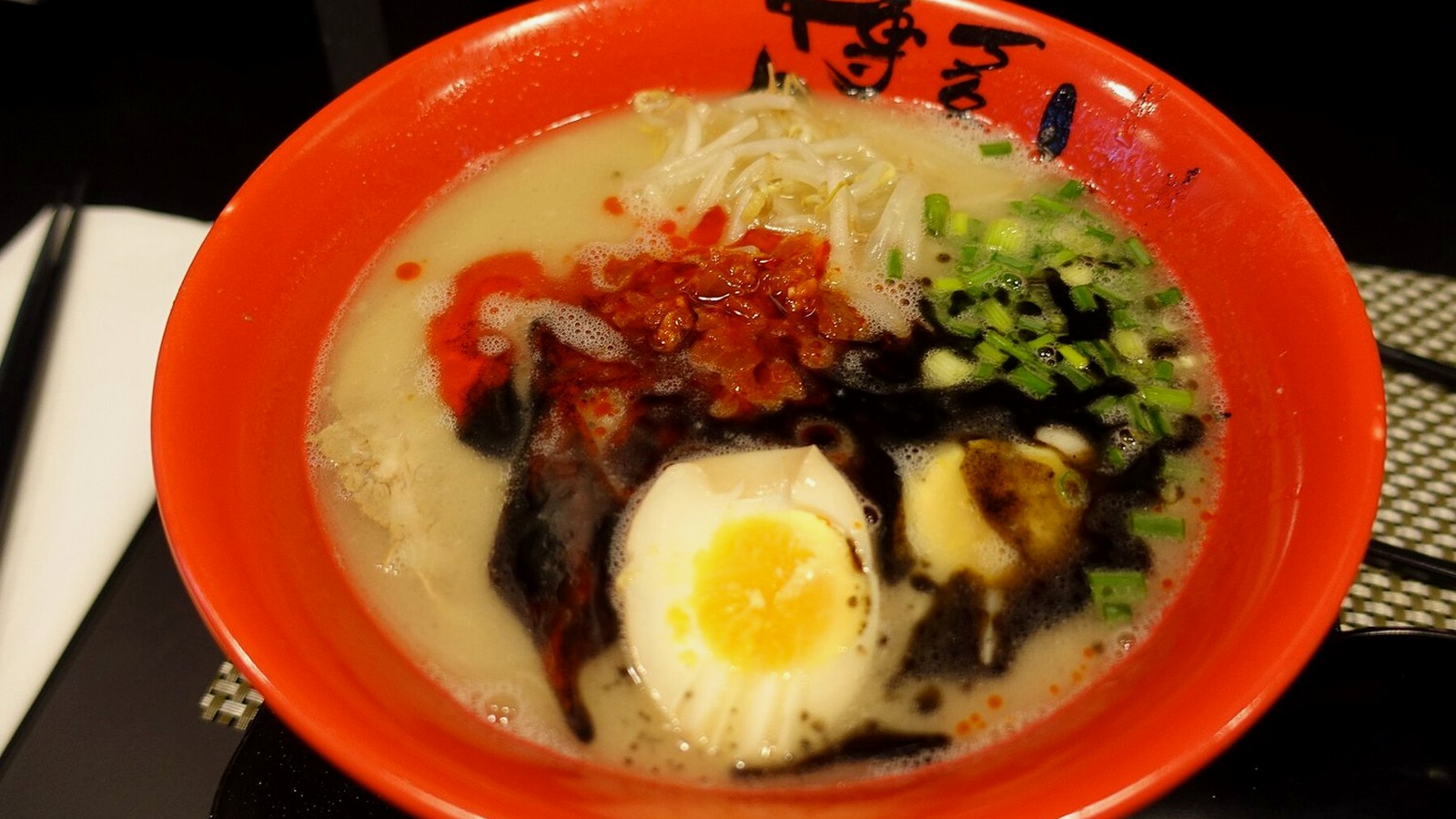
Born in 1937 Kurume (Fukuoka) when pork marrow and femur bones boiled vigorously into an opaque, collagen-rich ivory emulsion.
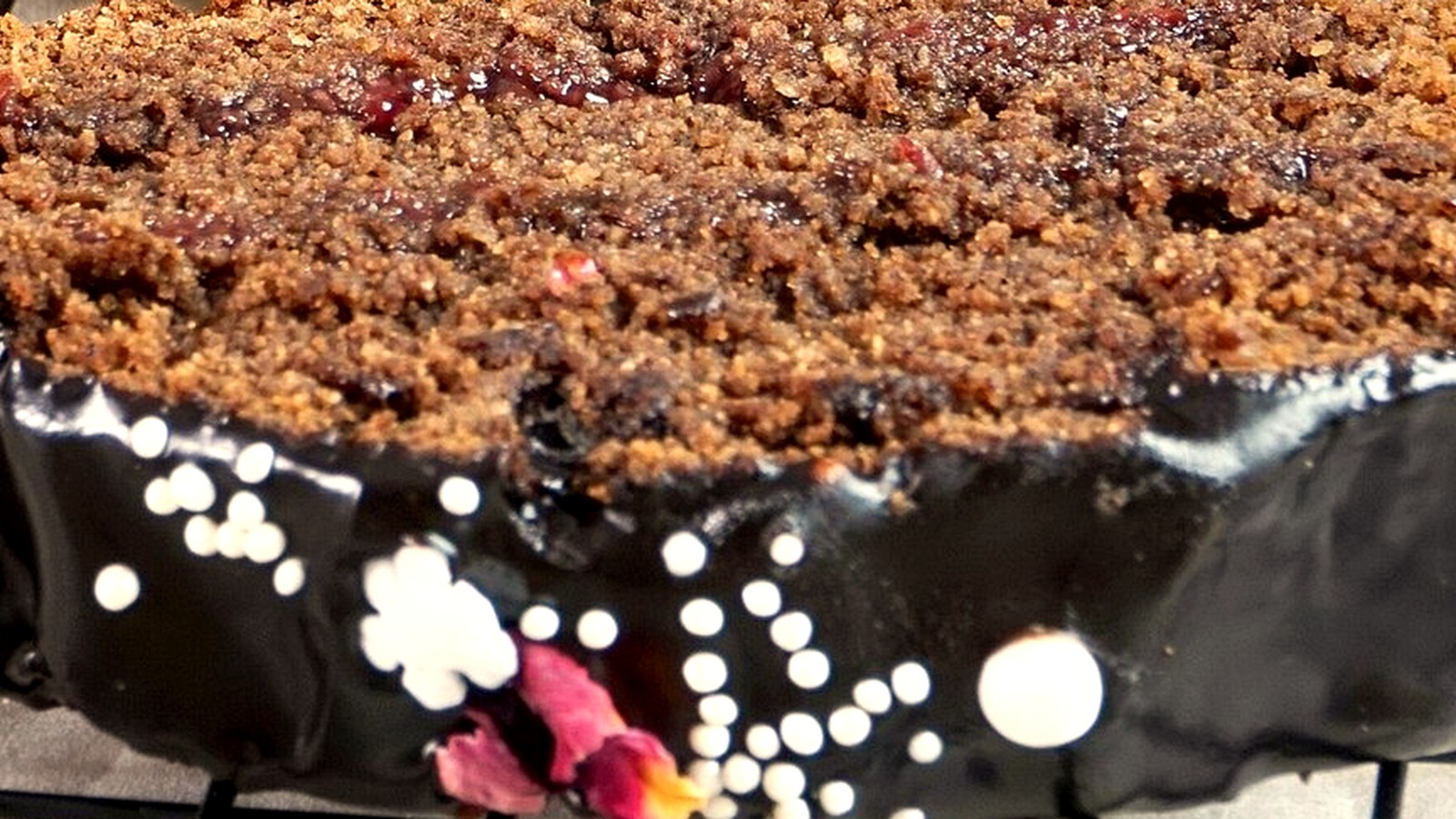
Published originally on December 22, 2010 as a last-minute Christmas Eve baking rescue on Kurier365.pl—paired today with crisp 24-hour cut-out precision.
Restored from our December 2010 holiday series: solving two classic herring traps—excess brine salinity and premature spoilage from raw wet onions.
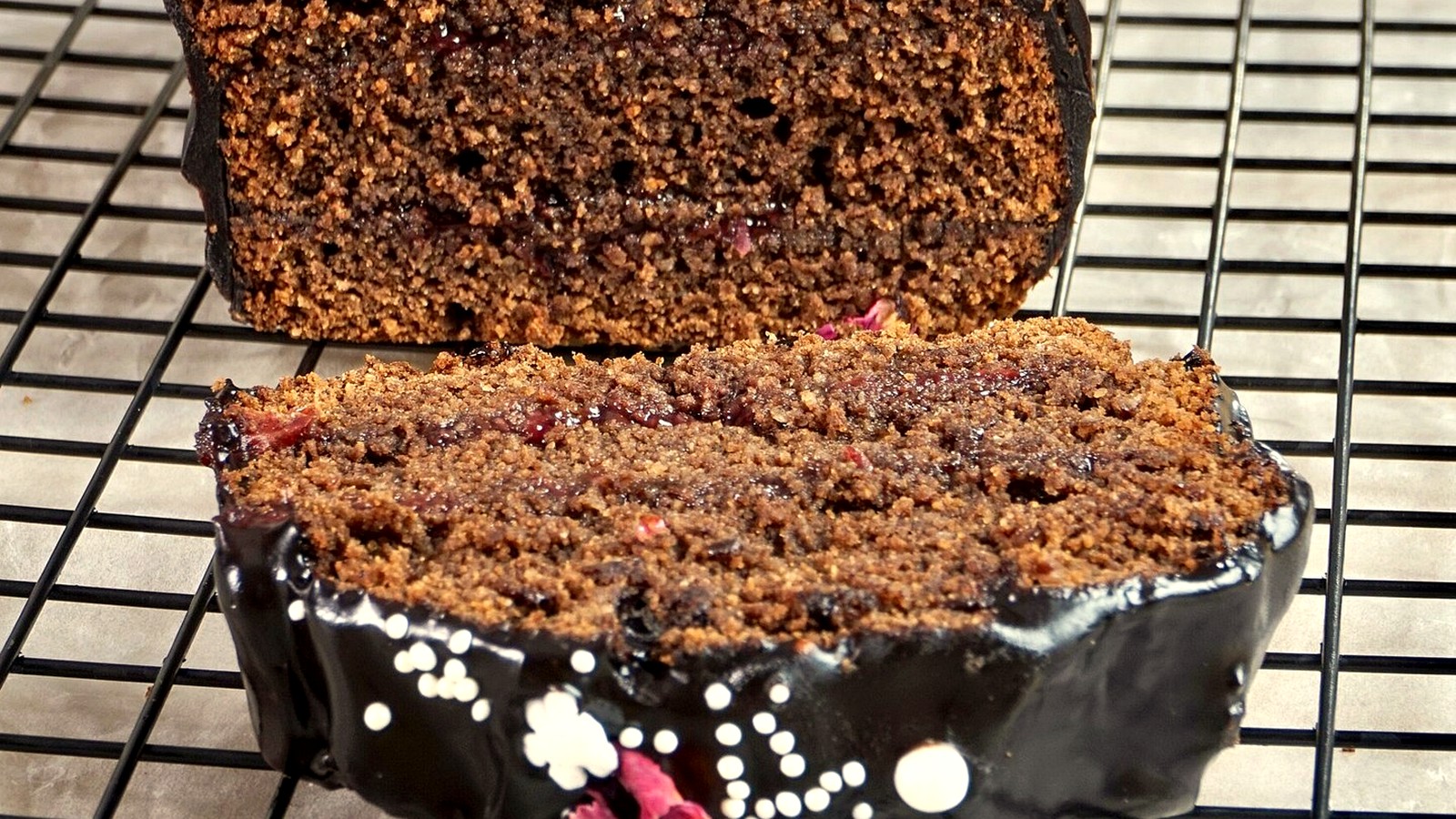
Baked traditionally 3 days before Christmas Eve: brittle baked honey wafers slowly pull moisture from tart plum butter and rich semolina custard until slicing like velvet butter cake.
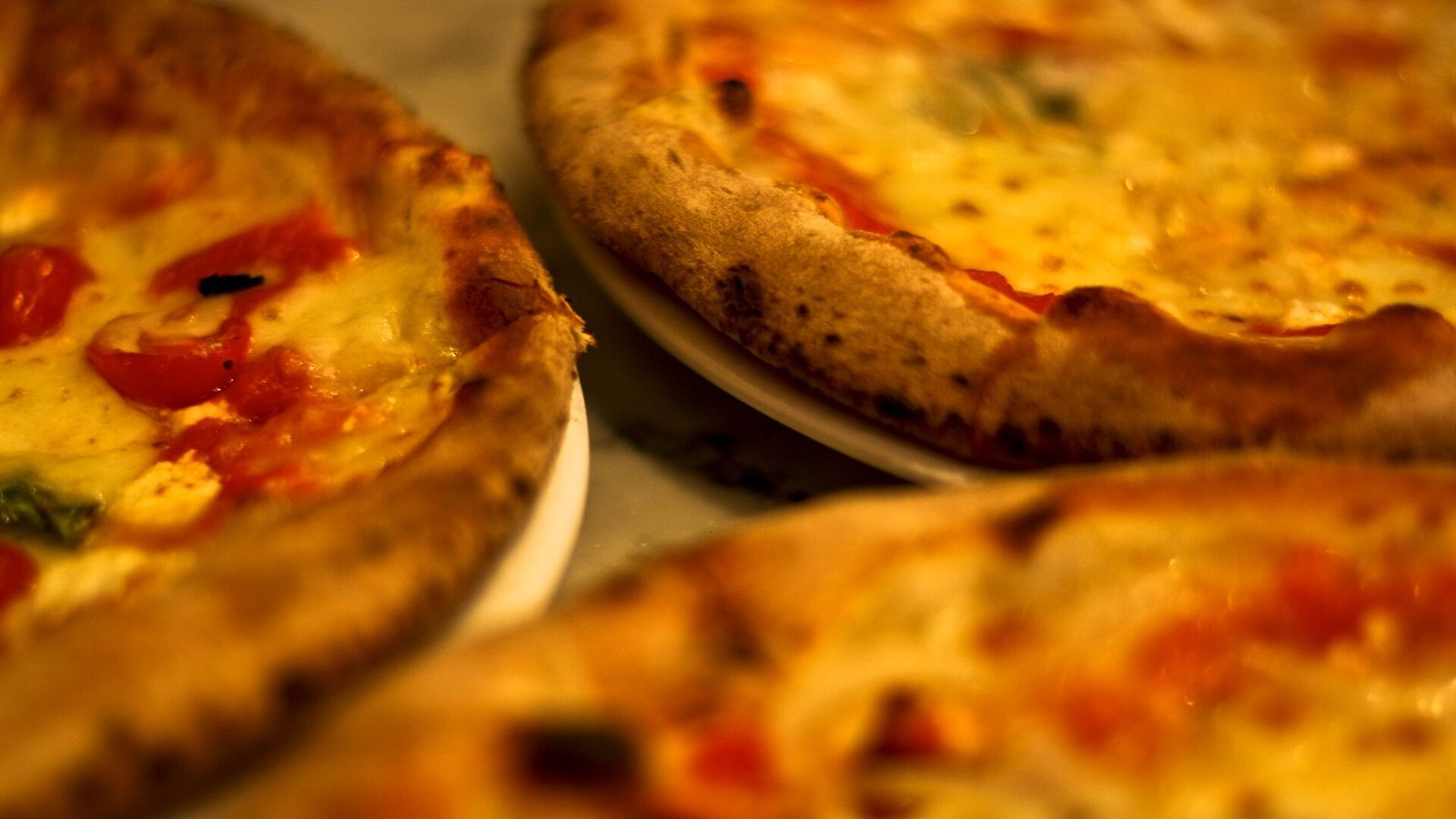
UNESCO heritage of Naples: blistered cornicione crust born from extreme thermal shock on enzymatically relaxed Type 00 dough.
An ancient Polish sourdough soup built on lacto-fermented coarse rye meal infused with garlic, bay leaf, allspice, smoked broth, and fresh marjoram.
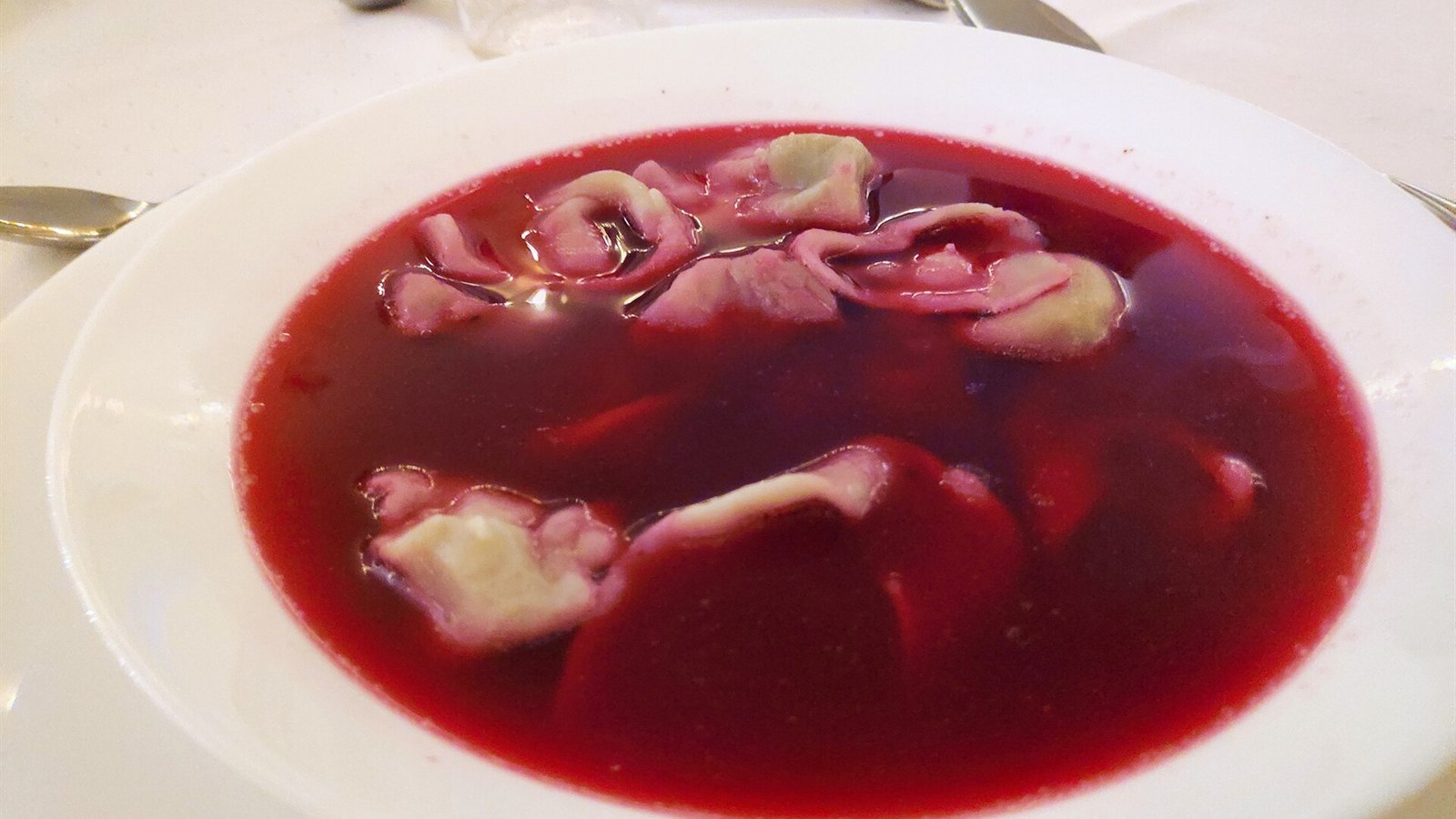
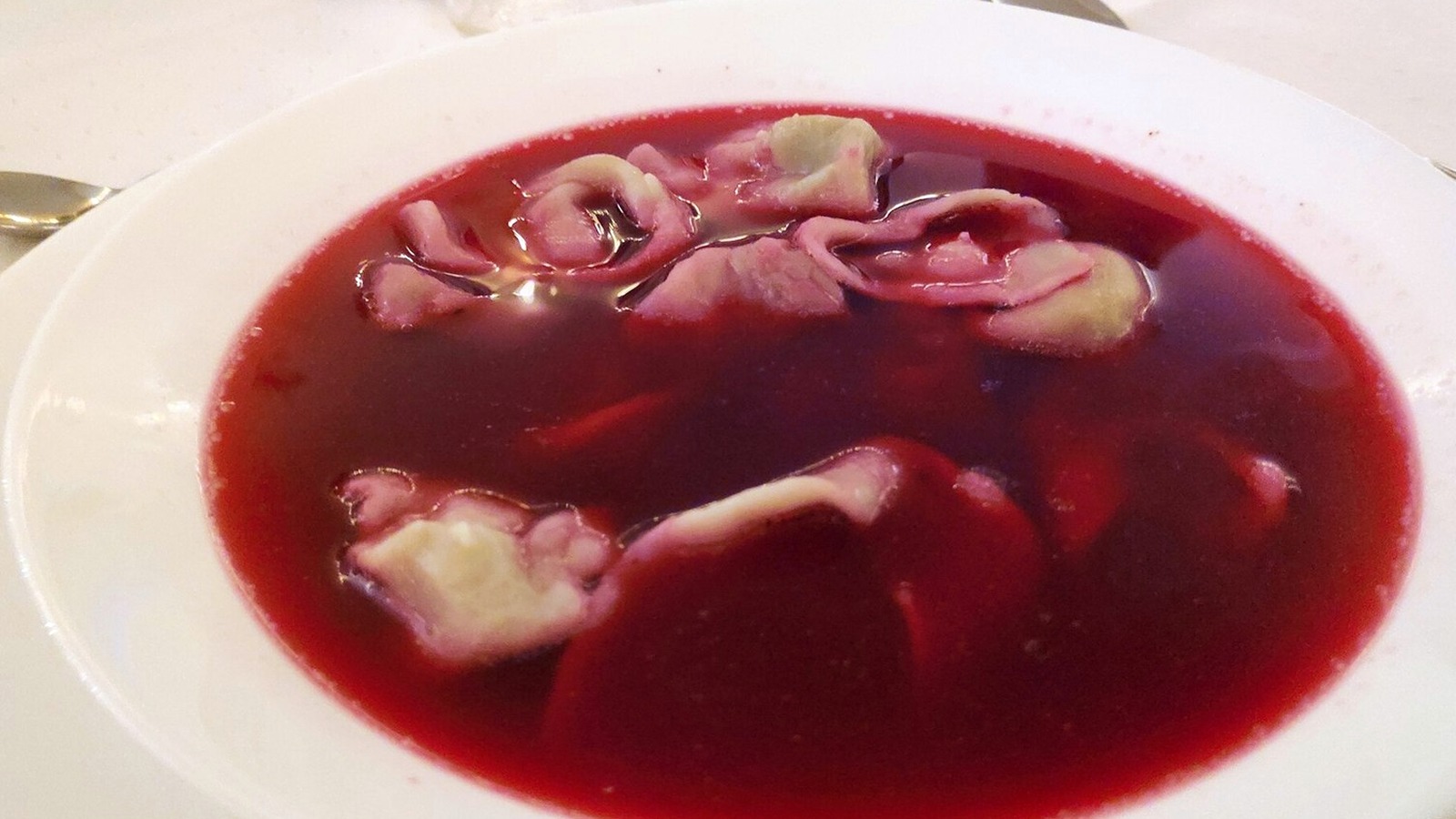
The centerpiece of Poland’s Christmas Eve supper evolved from wild hogweed ferments in the 16th century into a crystal-clear, garnet fermented beetroot broth perfumed with wild dried porcini.
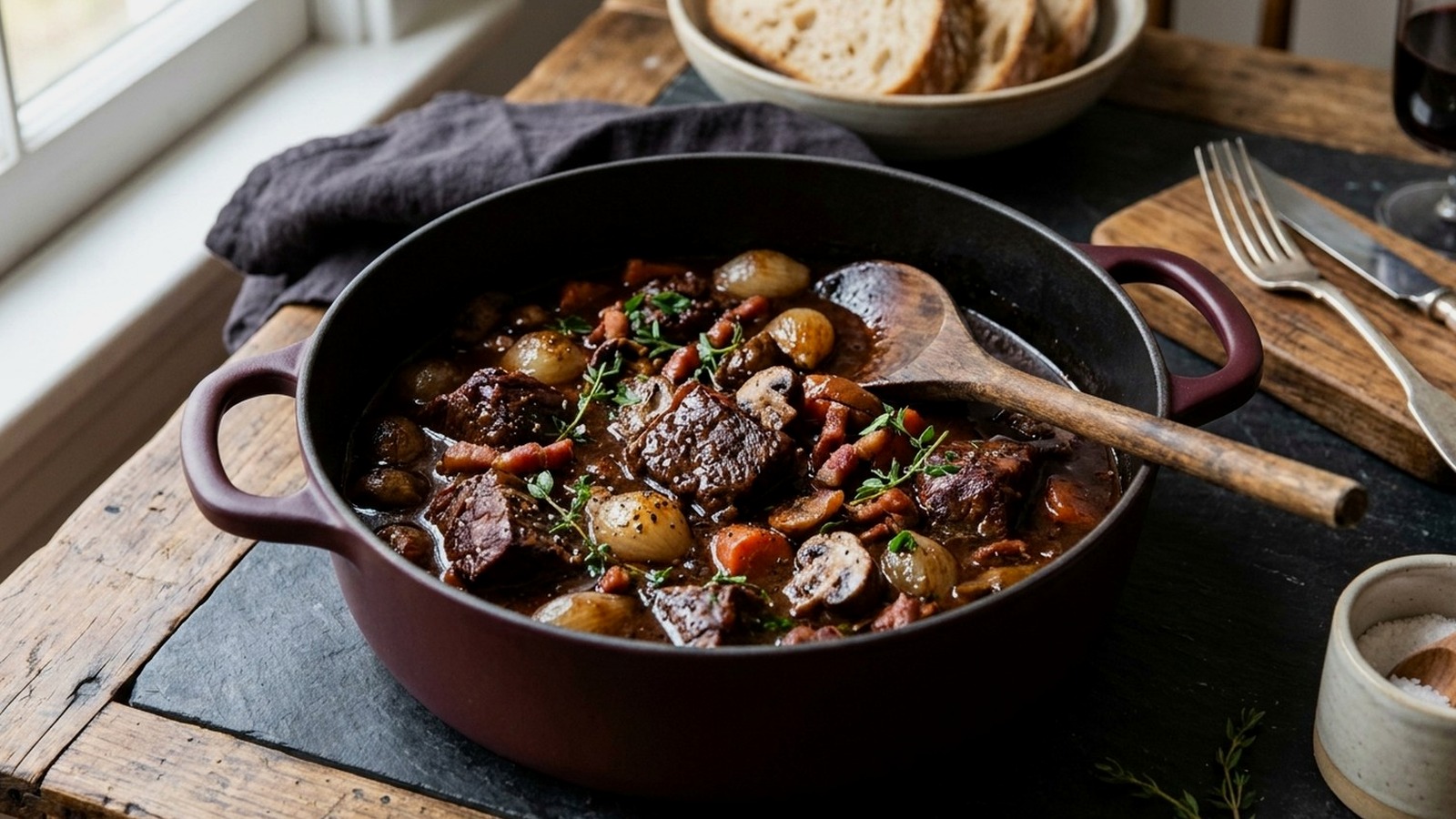
Poland’s winter culinary monument where repeated heating and freezing cycles break plant cell walls so cabbage absorbs rich collagen and forest-smoke aromatics.
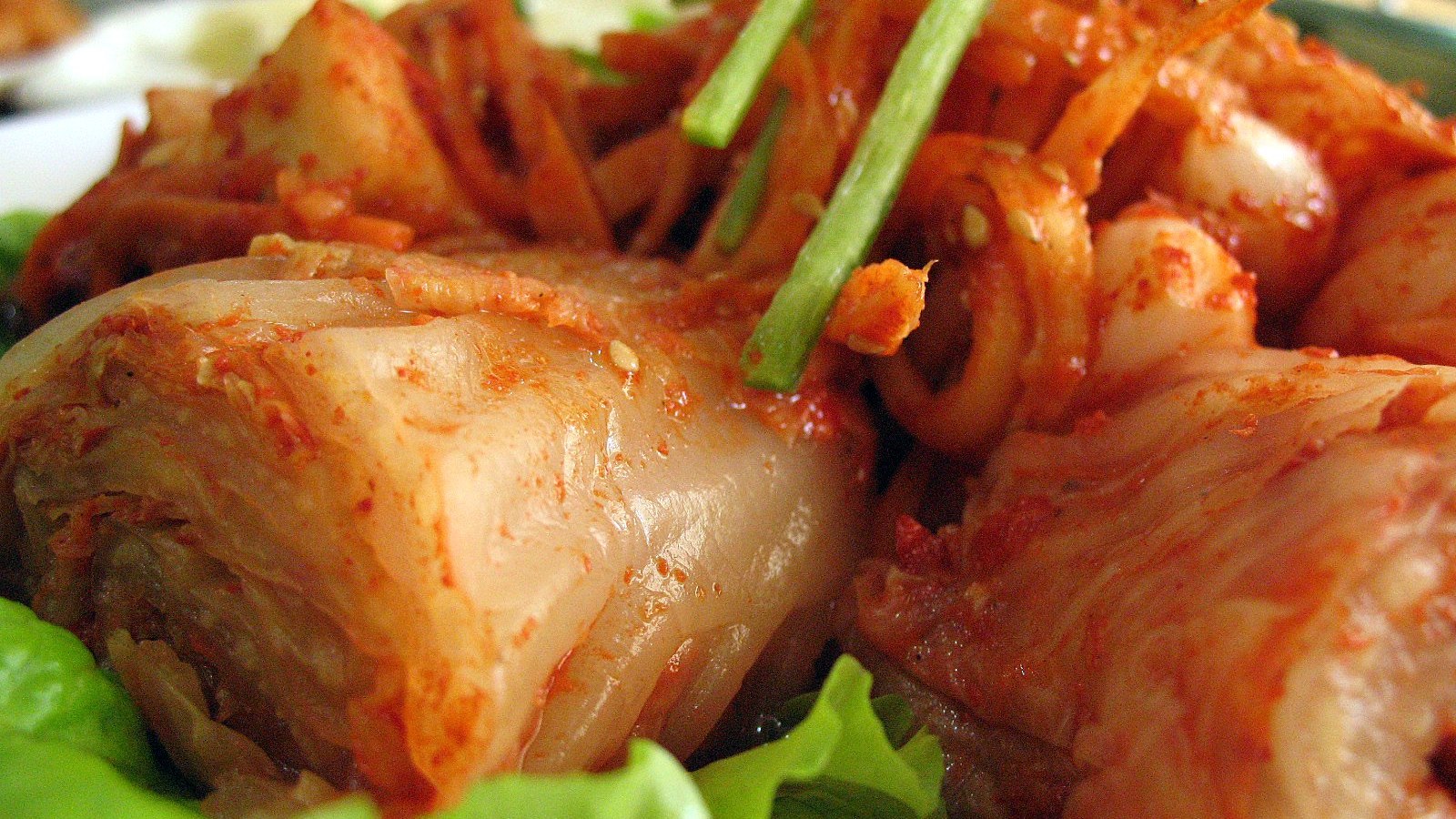
Kimjang — the communal late-autumn kimchi preparation — holds UNESCO intangible heritage status for transforming winter cabbage through lactic mastery.
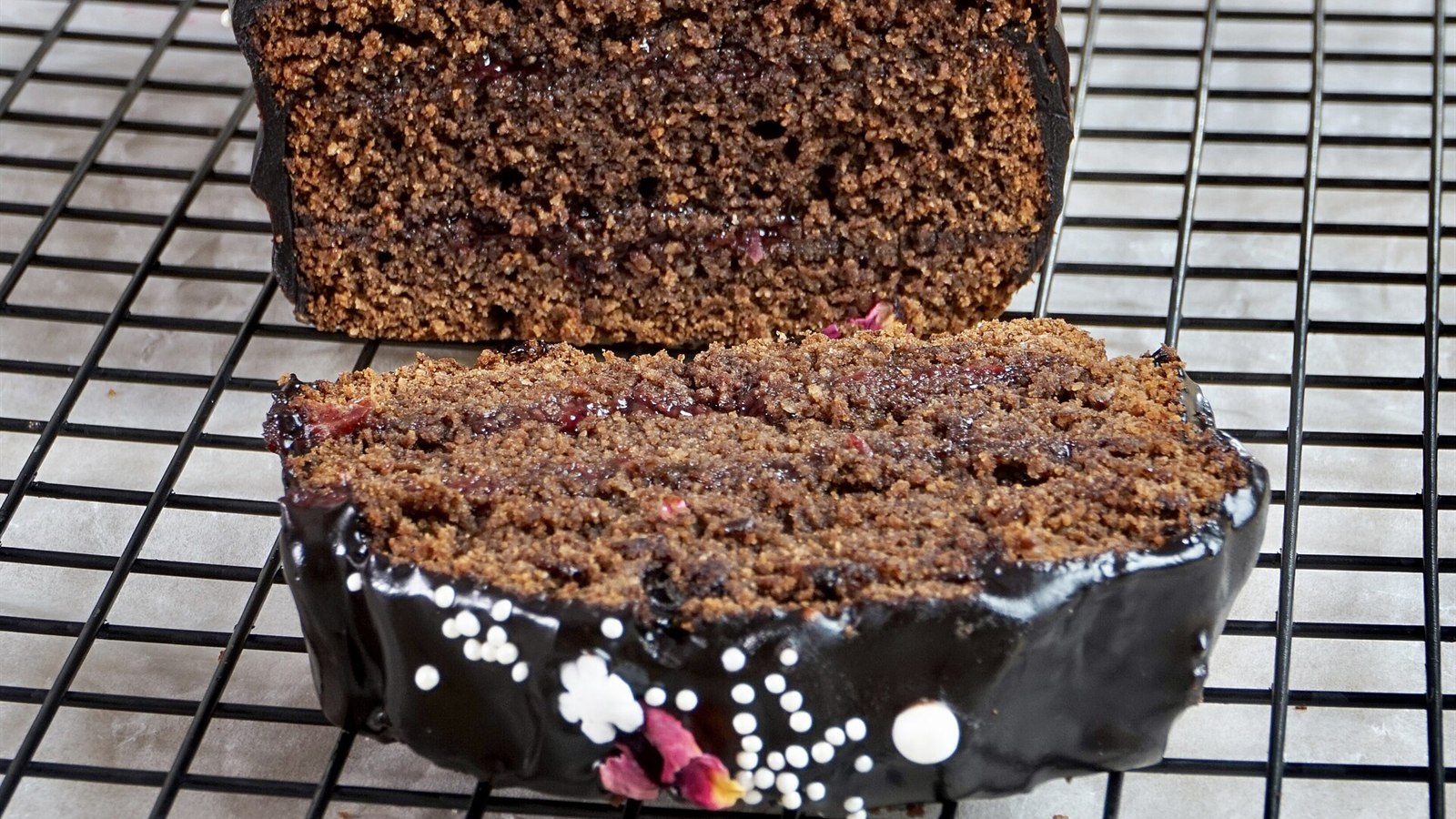
In Old Poland, aged gingerbread dough was mixed weeks before Christmas as prized culinary craft rooted in Toruń spice guilds.

Founder of Culina365 • Kitchen-Tested Recipes & Flavor Chemistry
“From 3 cm cross-cut asado ribs and 750g of rare Mendoza lomo paired with Weinert Malbec to three iconic recipes rebuilt for Orthodox vs. Speed-Hack kitchens.”
Argentine Beef deserves a capital letter. Our restored travelogue traces Buenos Aires parrillas, high-altitude Weinert and Catena Zapata Malbec vineyards irrigated by 16th-century Incan canals, plus dual-track culina365 builds for lomo de chorizo asado, fresh guacamole, and dulce de leche crêpes.
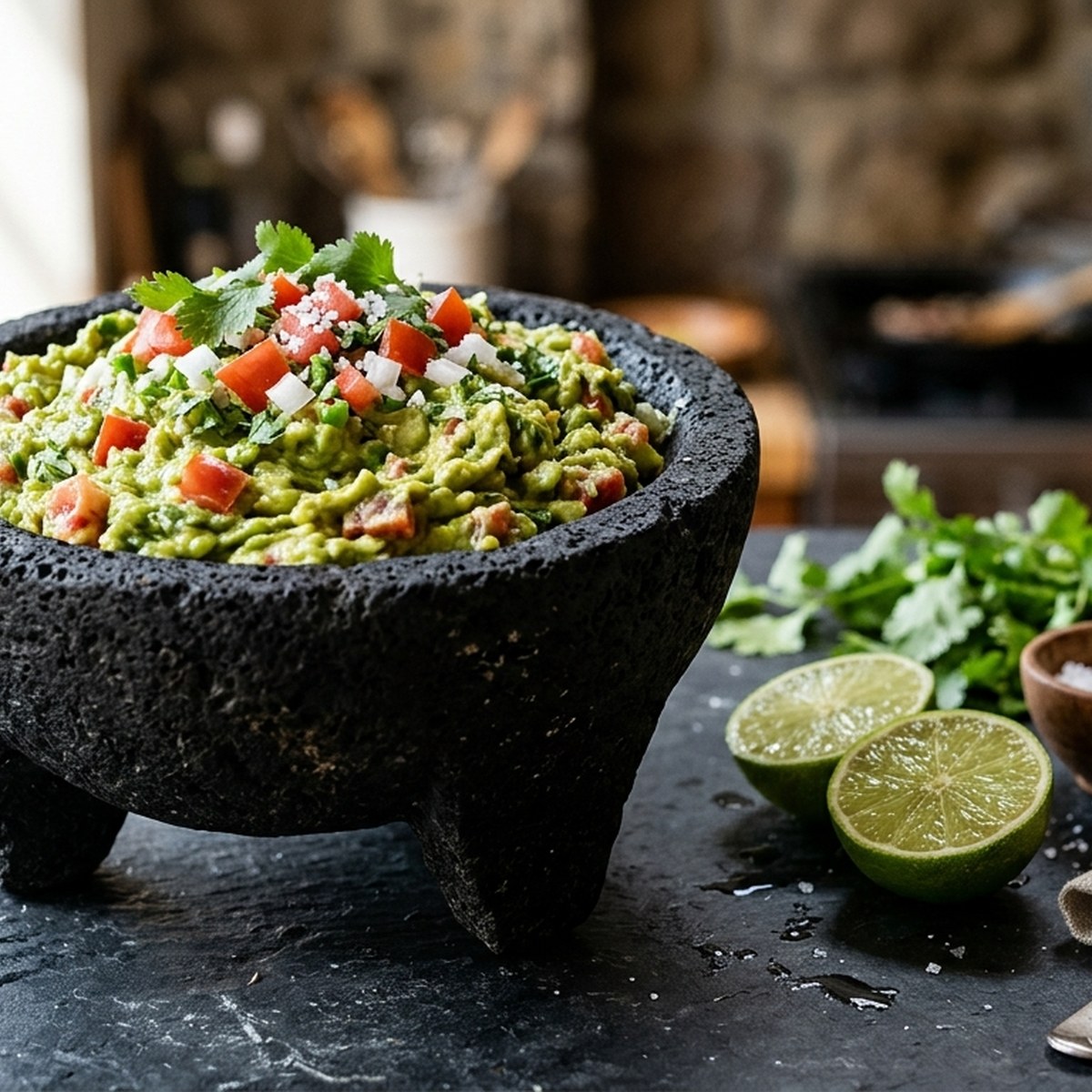
Ortodoks 30 min vs Speed-Hack 6 min
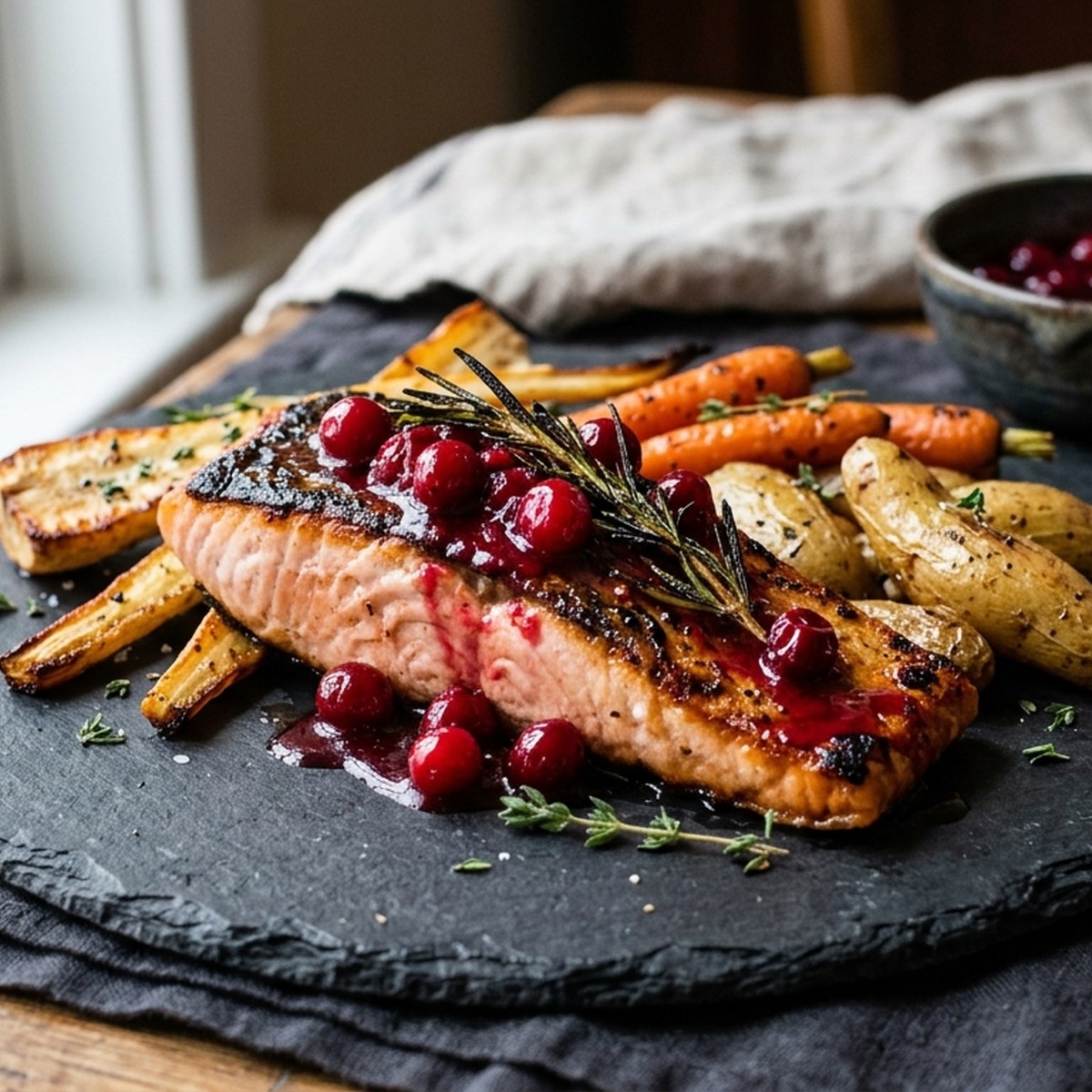
Ortodoks 45 min vs Speed-Hack 14 min
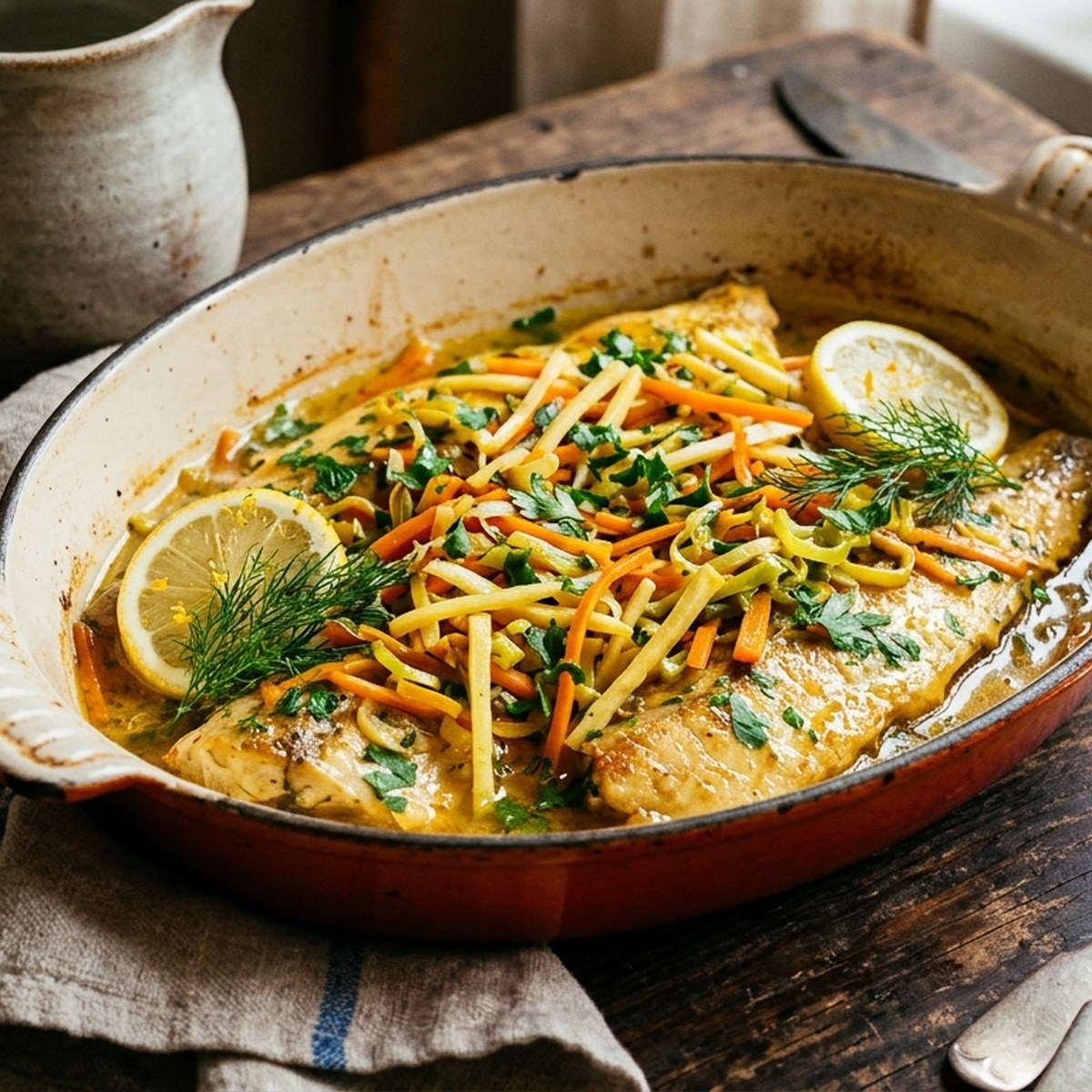
Ortodoks 1 h 30 min vs Speed-Hack 22 min
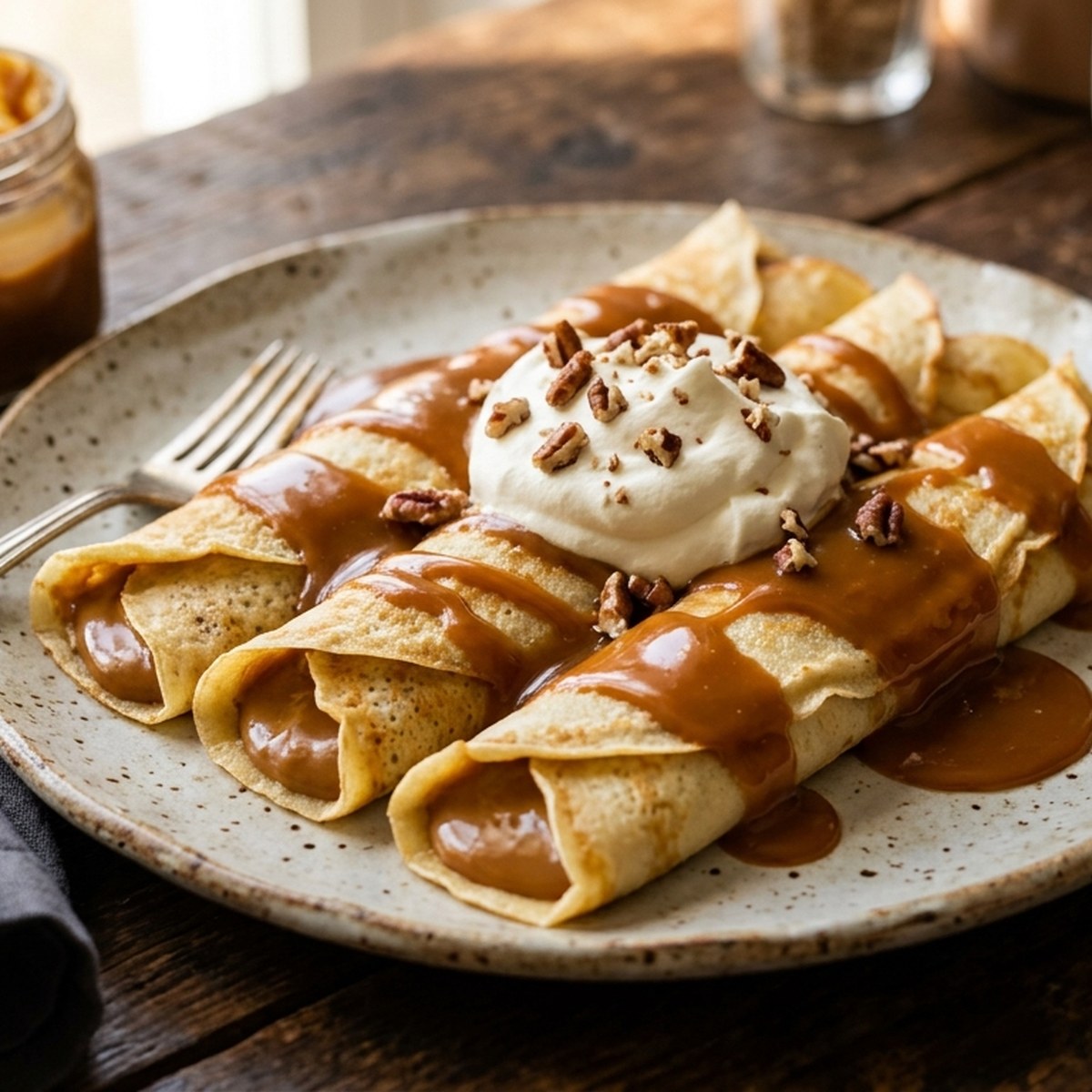
Ortodoks 2 h 30 min vs Speed-Hack 18 min
Ortodoks 4 h vs Speed-Hack 12 min
All 41 Atlas recipes ship with matched 16:9 Lab episode scripts and 25s 9:16 Seamless Loop Shorts with word-level captions and -14 LUFS mastering.
25 min vs 11 min
45 min vs 12 min
1 h 35 min vs 25 min
7 days vs 38 min